Environment
Critical minerals
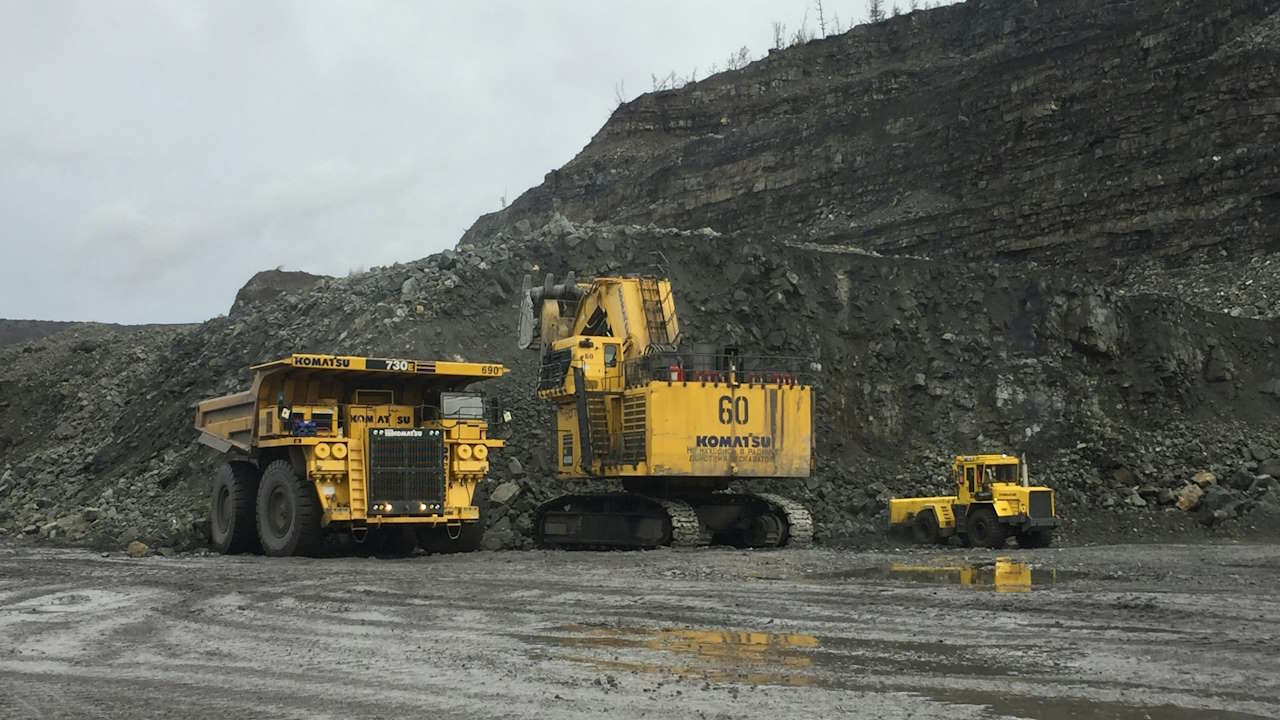
Rich in minerals, poor in processing: Africa’s green-energy dilemma
A World Bank study finds African countries mine transition minerals but rarely process them, limiting industrial and economic gains
Pollution
Uganda among world’s most polluted countries as air quality worsens
Uganda ranks eighth globally for air pollution, with Kampala among the world's most polluted capitals and monitoring gaps understating the true scale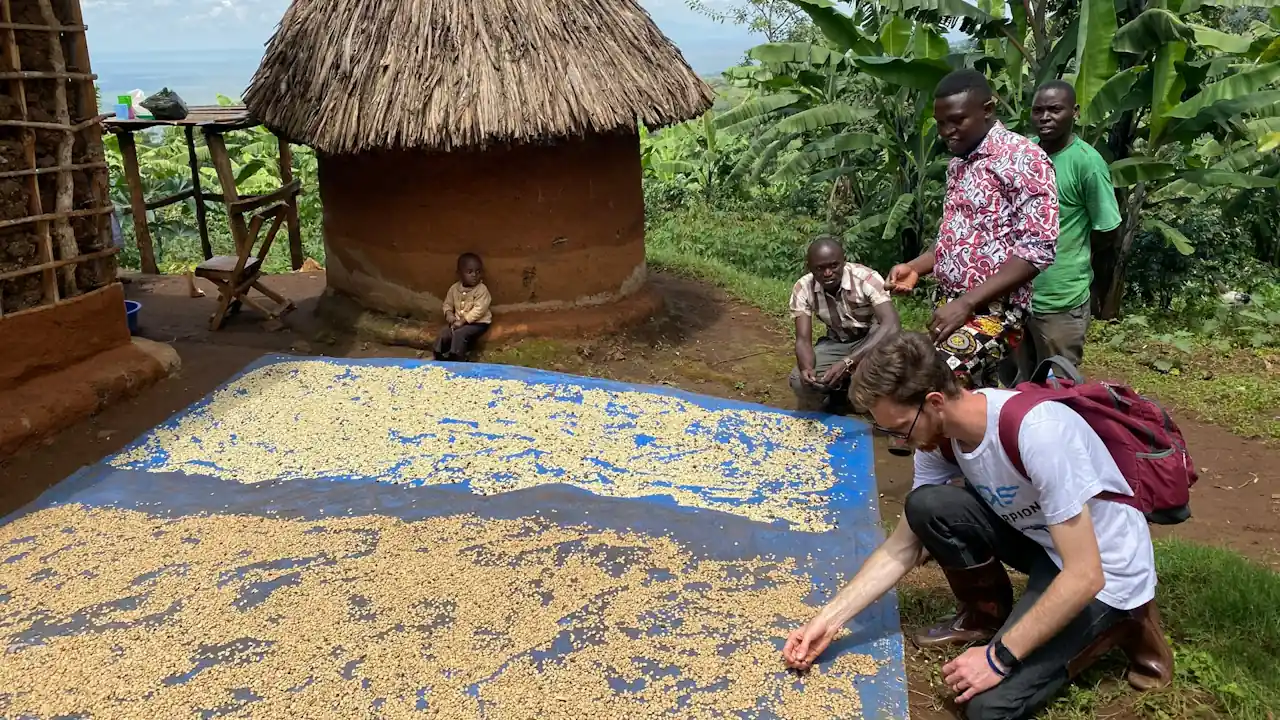
Coffee
Ugandan agriculture exports face €2.75bn threat as EU tightens traceability rules
Shared-cost models between buyers and suppliers emerge as Uganda's best hope for meeting EU traceability standards that threaten access to lucrative coffee markets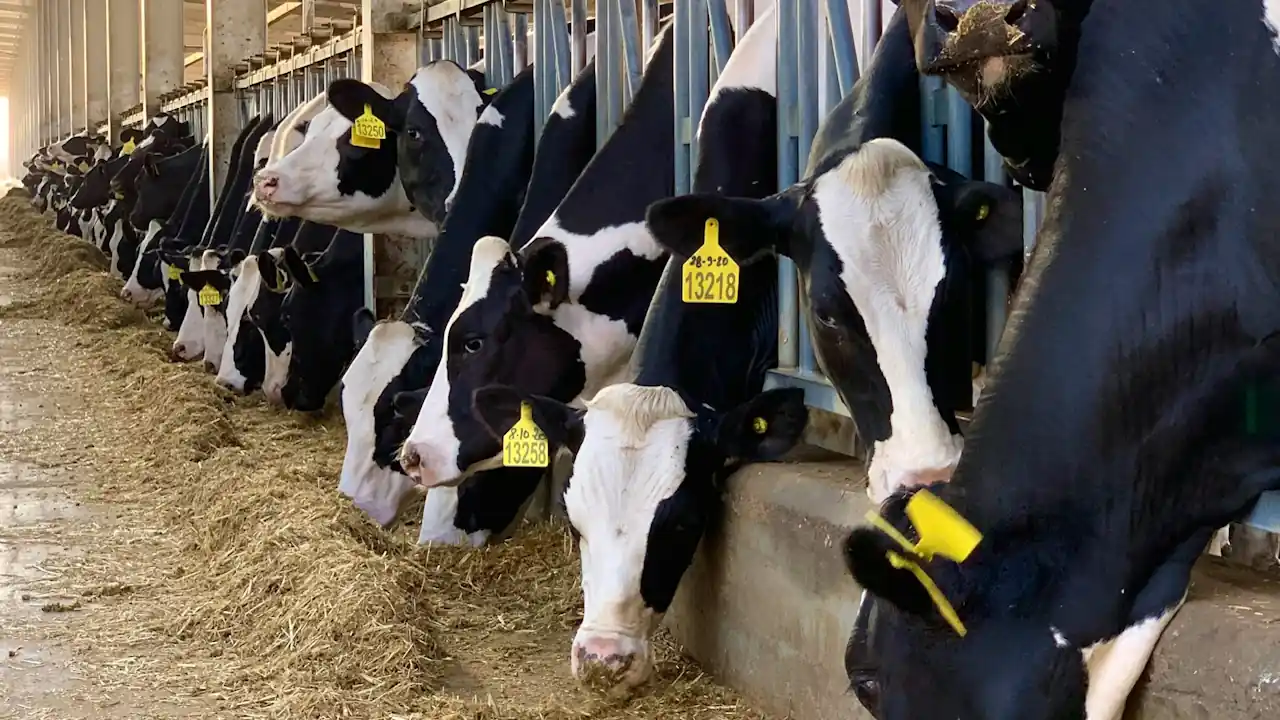
Agricultural production
Factory farming’s African expansion threatens pastoral traditions and climate goals
Africa's traditional pastoral livestock farming, a centuries-old lifeline, is being supplanted as development banks pivot funds towards industrial, mass-scale production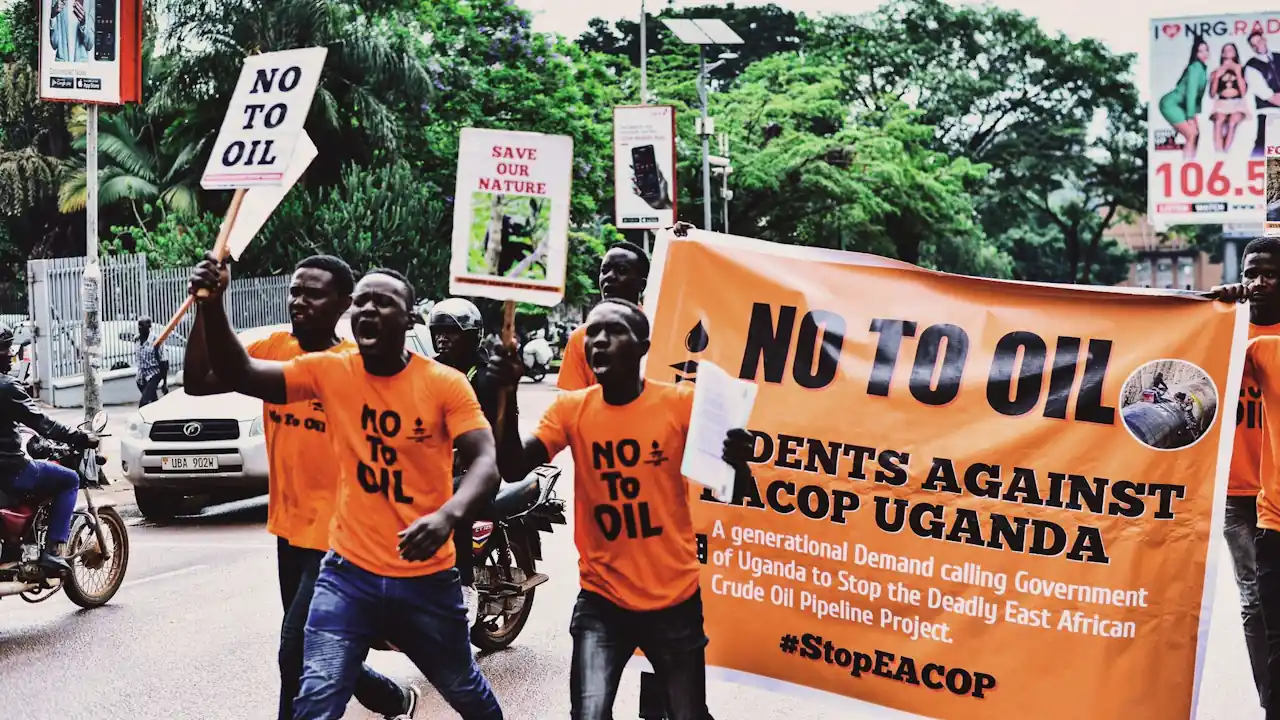
TotalEnergies greenwashing verdict opens new front for African climate litigation
TotalEnergies greenhouse gas emissions are increasing every year, yet in an advertising campaign the company presented itself as a “major player in the energy transition”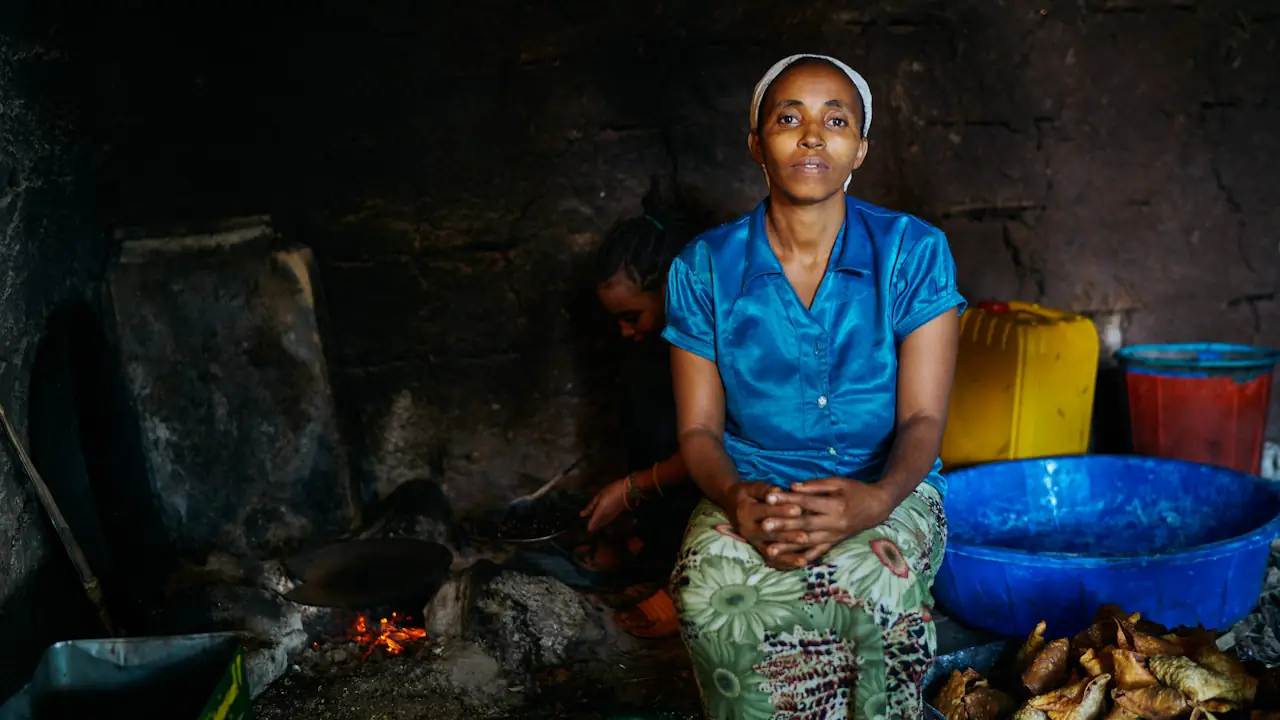
ESG investing
Burn Manufacturing secures funding from AfDB to expand electric cooking in East and Southern Africa
Burn Manufacturing, the Kenyan producer of clean cookstoves and carbon developer, has secured a $4mn grant from the African Development Bank to roll out electric cooking solutions in Uganda, Kenya, and Zambia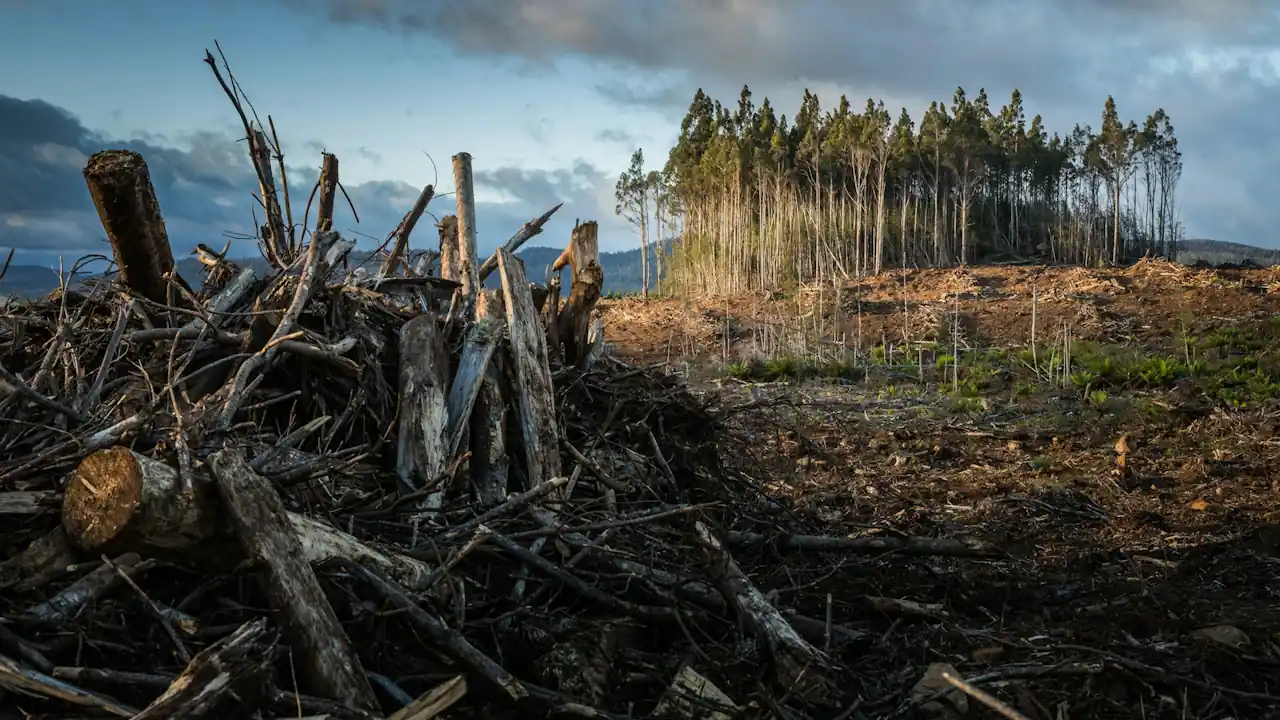
Remarks by BoU Governor at the National Private Sector Engagement Forum on climate finance
Climate change is a present and pressing reality; it is altering rainfall patterns, disrupting food systems, putting pressure on energy supplies, and affecting prices and financial system stability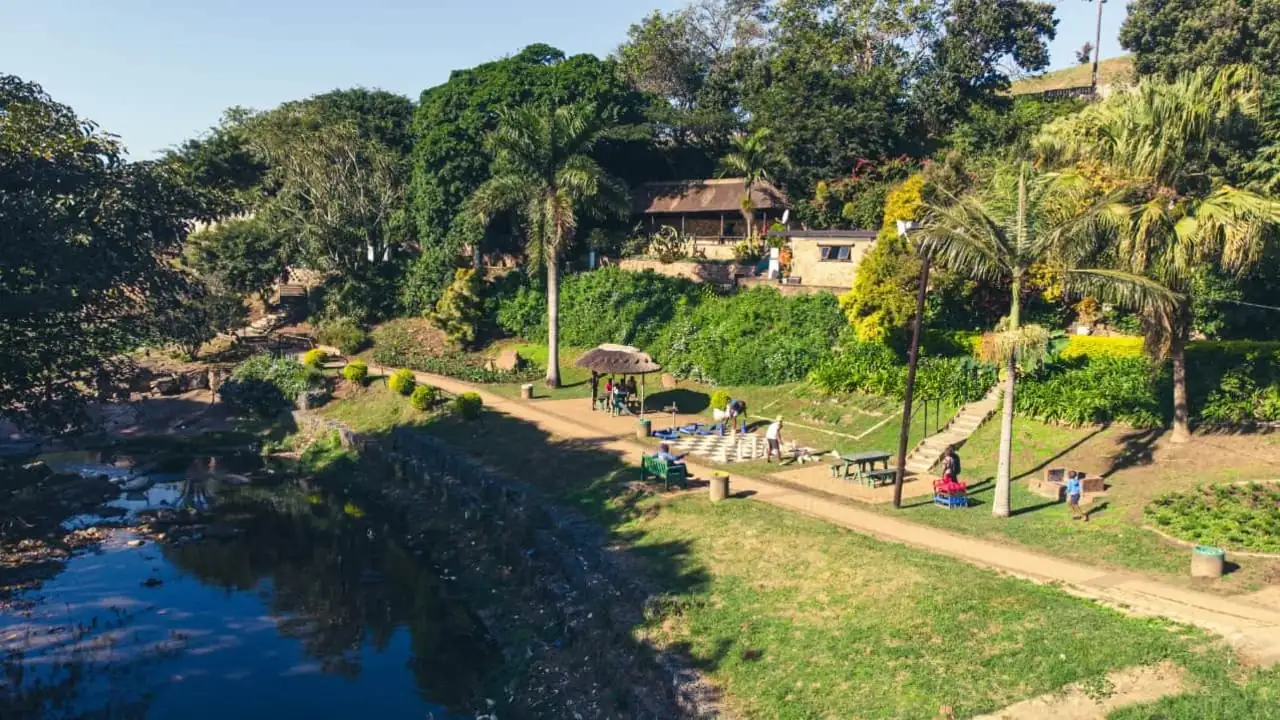
Why funding nature-based solutions is crucial to tackling climate change and biodiversity loss
Nature-based investments are already profitable and scalable, and could create 395 million jobs by 2030, but receive only 15% of the investment of traditional climate solutions