
Subscribe | Sign In | Subscribe

African economy

A brightly lit, modern exhibition stall for Uganda at the 138th Canton Fair. The stall features the national flag and the "Explore Uganda" branding, alongside large posters of gorillas and elephants. A diverse crowd of business professionals and visitors are gathered around the counters, discussing trade opportunities in agriculture, coffee, and tourism.

Geopolitics hastens China’s Hunan-led shift in Africa trade and investment

Beijing’s Hunan-based Africa strategy gains urgency amid US-China tensions and Middle East disruptions to trade and energy flows
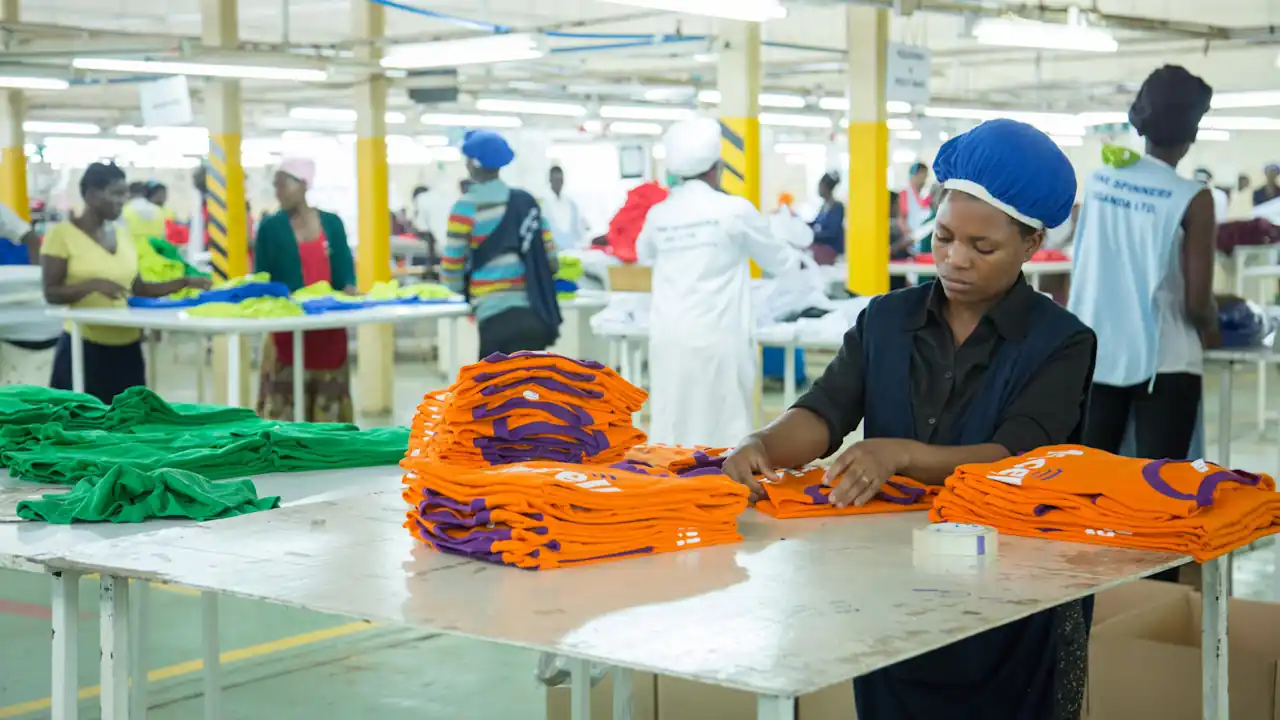
A female worker at a garments factory

China’s Africa tariff reset: who wins, who loses

China grants zero tariffs to nearly all of Africa, but the gains are likely to flow to its more developed economies

Rise in gasoline prices concept with double exposure of digital screen with financial chart graphs and oil pumps on a field. Stock photo.

Uganda faces higher fuel costs as US-Iran war roils oil markets

Uganda faces dearer fuel imports and currency pressure as the US-Iran war pushes oil prices higher, but first oil in H2 2026 offers a longer-term upside
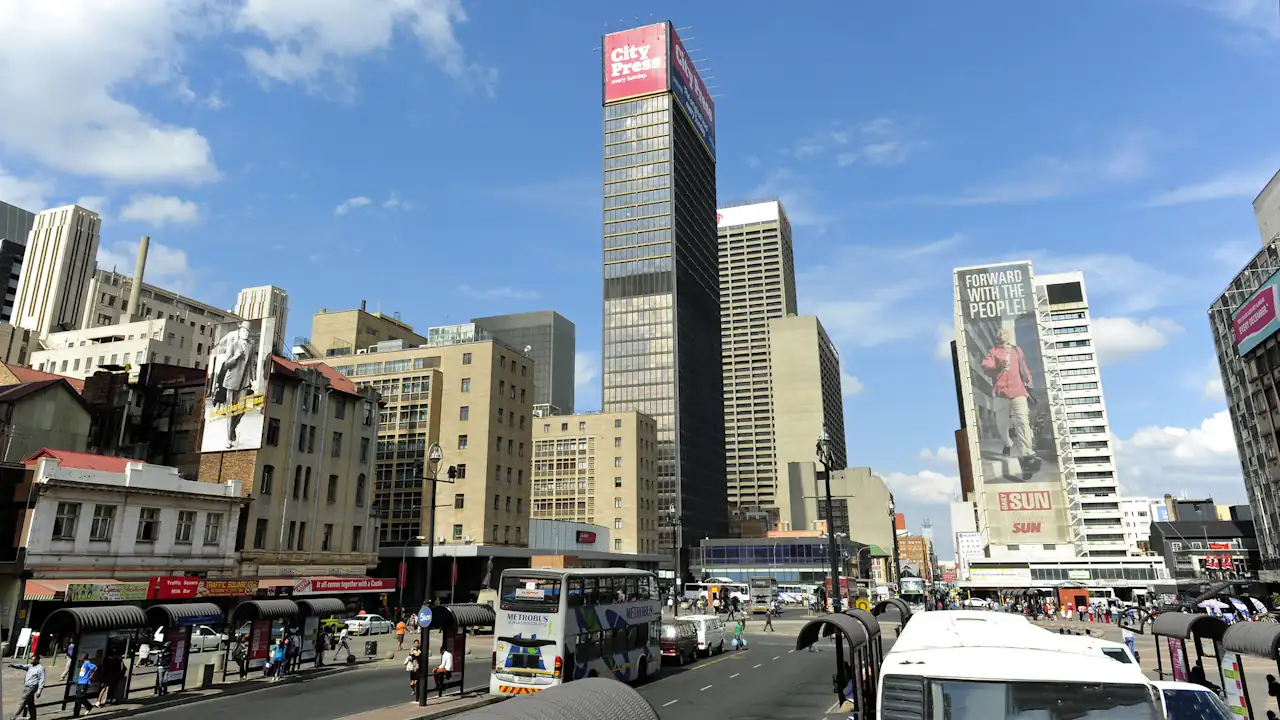
View of Joburg inner city from Gandhi Square, Johannesburg, Gauteng, South Africa

The G20 must end the cost-of-capital penalty imposed on Africa

Africa's cost of capital crisis is not rooted in economics alone, but is perpetuated by perception and precedent, as well as the structural inertia of a global financial system that systematically overprices African risk
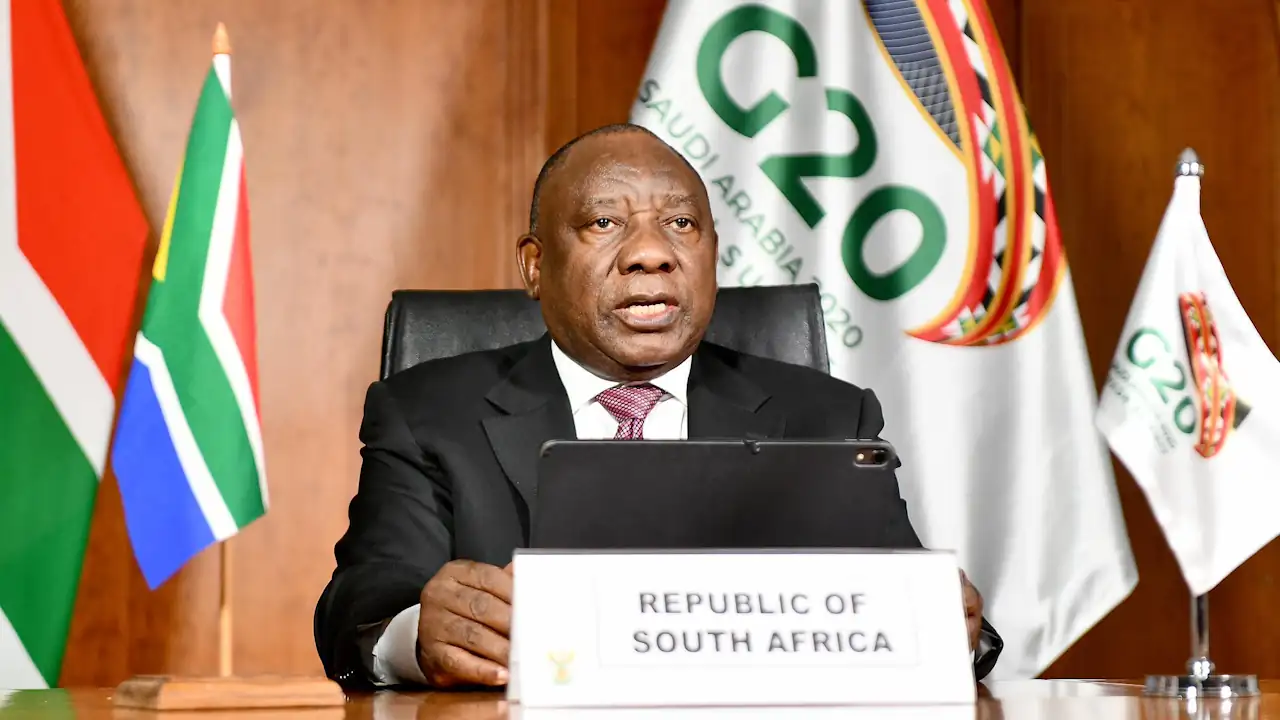
President Cyril Ramaphosa leads South African delegation to virtual G20 Leaders' Summit in November 2020

Africa’s debt crisis demands more than G20 declarations

African nations are trapped: spending more on debt servicing than on health or education, whilst climate shocks compound their struggles. South Africa's G20 tenure has highlighted the crisis, but substantive solutions remain elusive

An outdoor discussion, with two female panellists seated in the chair, and other female holding a microphone and standing, as well as an audience

IMF upgrades sub‑Saharan Africa forecast as reforms blunt external shocks

The IMF has raised its growth forecast for sub-Saharan Africa, crediting improved macroeconomic management in several large economies and resilience amid external pressures
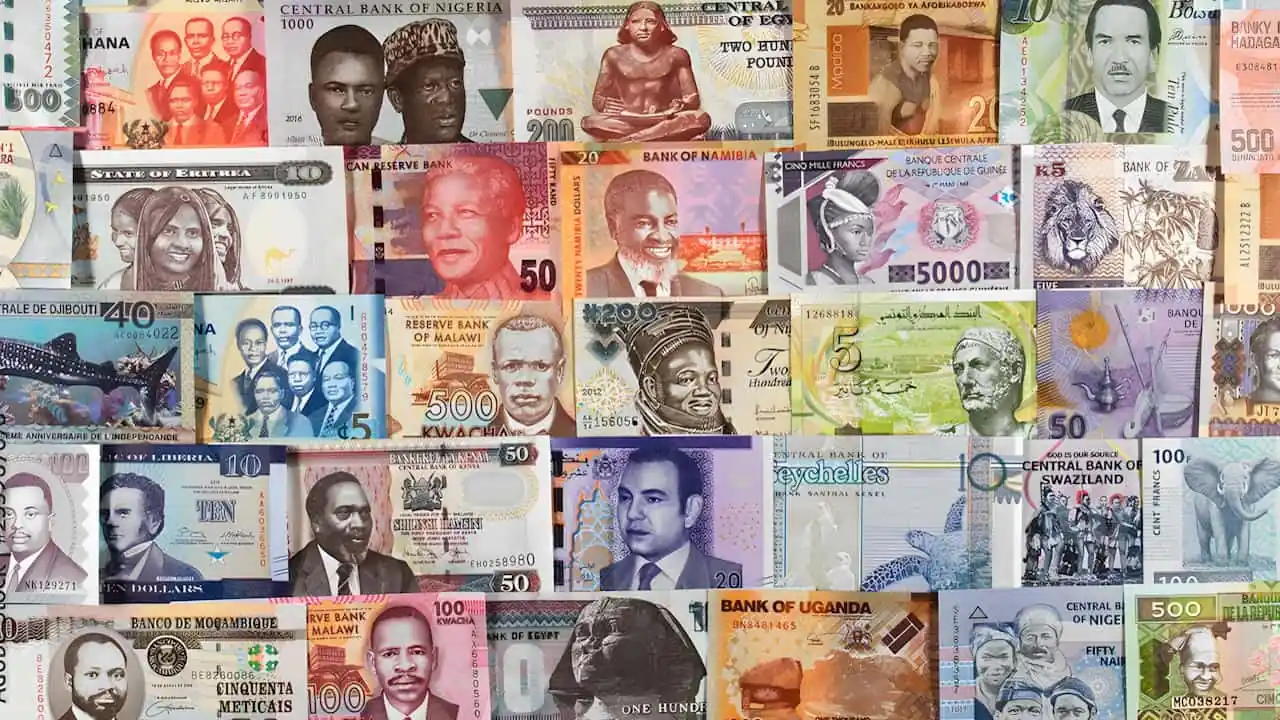
Various currency notes of African countries are seen in this photo

Stronger currencies ease inflation pressures across sub-Saharan Africa

Strong currencies have helped curb inflation in several sub-Saharan African countries, giving central banks room to ease interest rates and stimulate business activity

A golden bust of Donald Trump, with his eyes closed, faces a globe.

What are the chances that African countries adopt a unified stance against Trump’s tariff assault?

Although some analysts and trade experts have called for a unified African response to Trump’s tariff assault, there has so far been no sign of one, either from the African Union or elsewhere
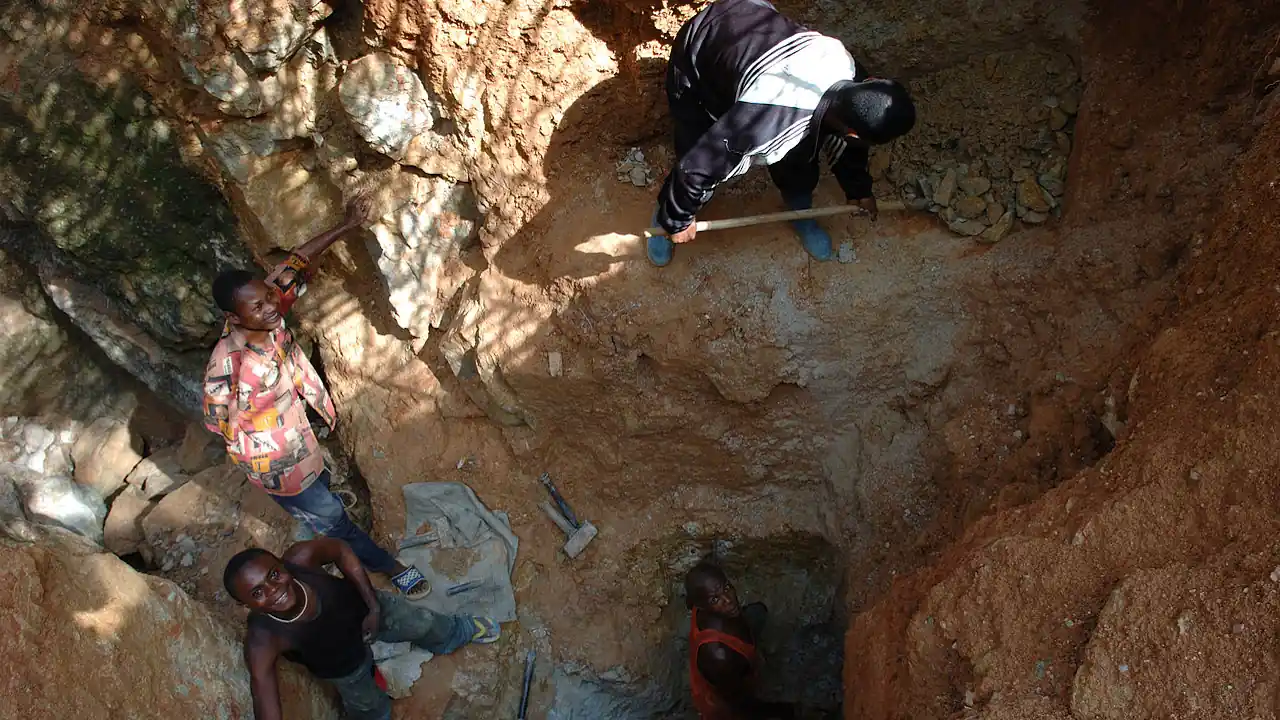
Four men working in an open-pit mine in the Democratic Republic of Congo

Why bartering Africa’s minerals for security is a bad idea

A US-brokered peace deal between the DRC and Rwanda binds the two nations in a worrying arrangement: one where a country signs away its mineral resources to a superpower in return for vague promises of security

More African economy

3 September 2024

China benefits most from its relations with Africa: where’s the imbalance?

The eight Focac summits since 2000 have not resulted in mutual gain, particularly in trade and industrialisation for Africa, with China reaping most of the benefits
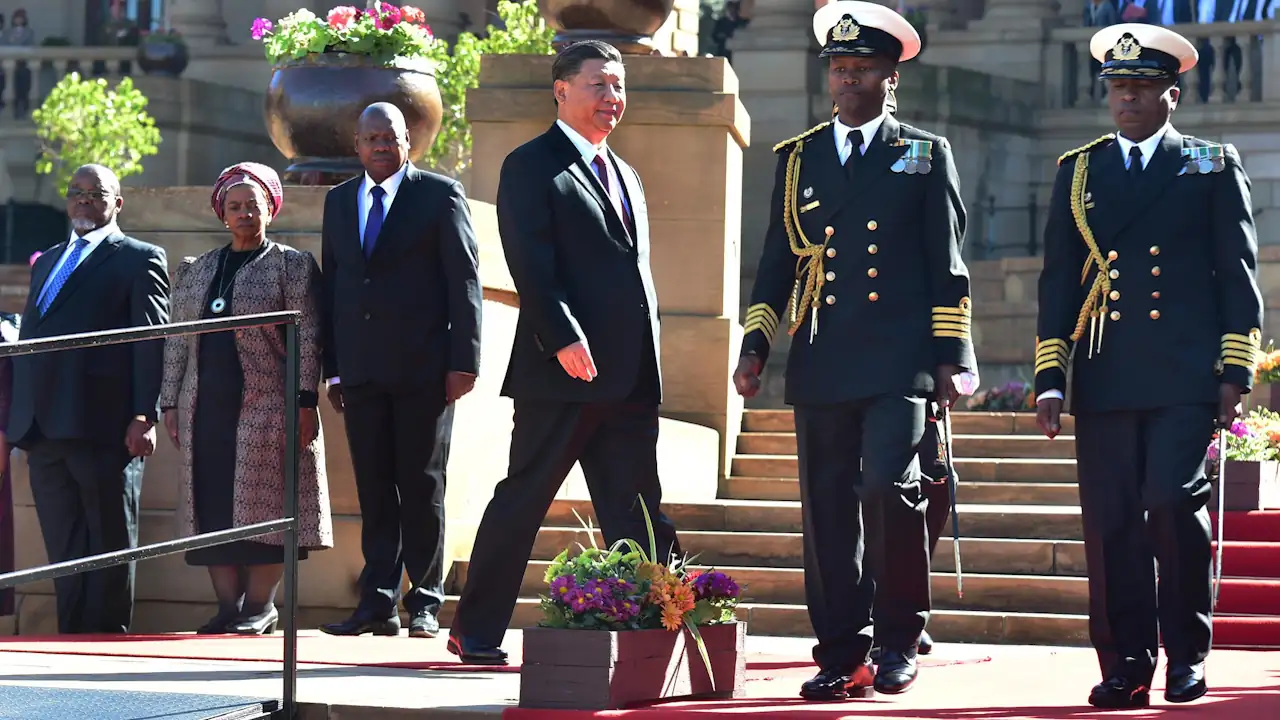
Chinese President Xi Jinping inspects a guard of honour during a state visit to South Africa in July 2024.
28 August 2024

Fitch warns mpox outbreak could dent regional economies

An escalation of the mpox outbreak in sub-Saharan Africa could lead to a slowdown in economic activity and financial distress for governments of the affected countries

Various currency notes of African countries are seen in this photo
12 August 2024

Raising revenue from land: what African cities can learn from Hong Kong’s unique leasehold system

Often cited as a prime example of effective land value, Hong Kong uses a variety of land-based financing models that have proven effective in funding key public projects
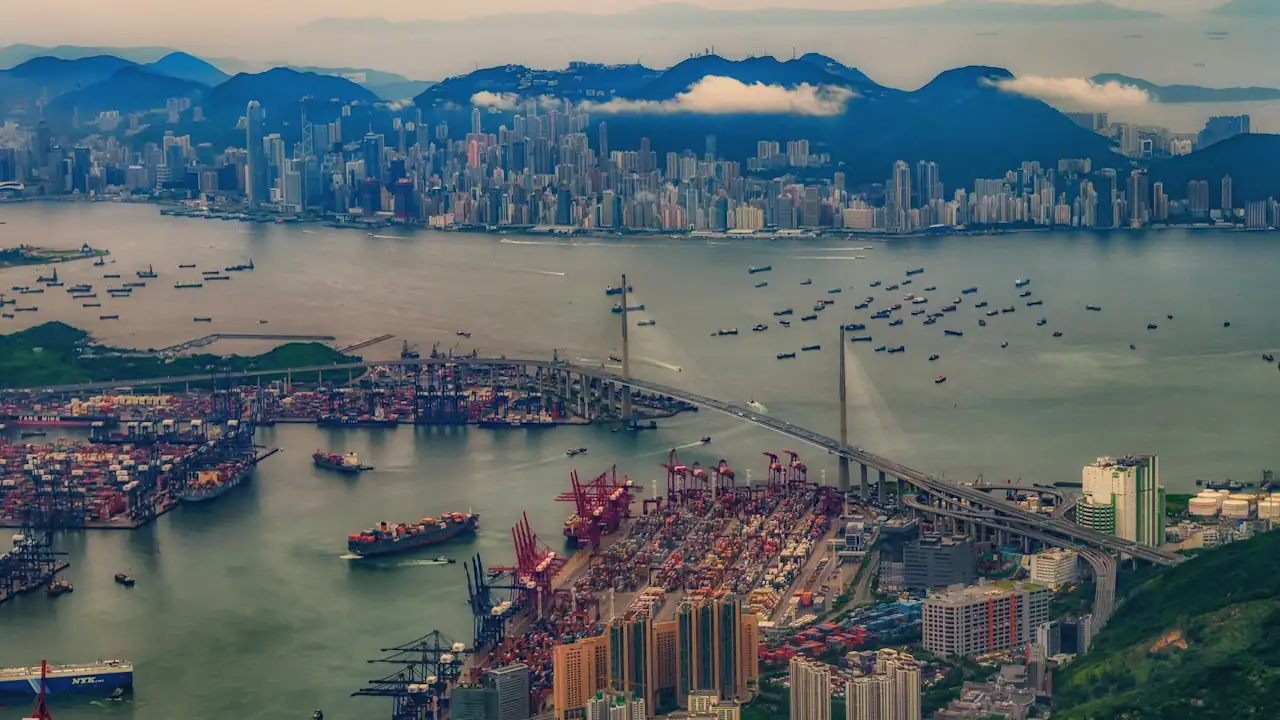
Final approach to Hong Kong with views of Victoria Harbour and Stonecutters Bridge in the early morning, July 2016
2 July 2024

The IMF is failing countries like Kenya: why, and what can be done to stop it

IMF’s declining resources relative to the size of the global economy has meant less funding than members need, forcing austerity and weakening its bargaining position in crises
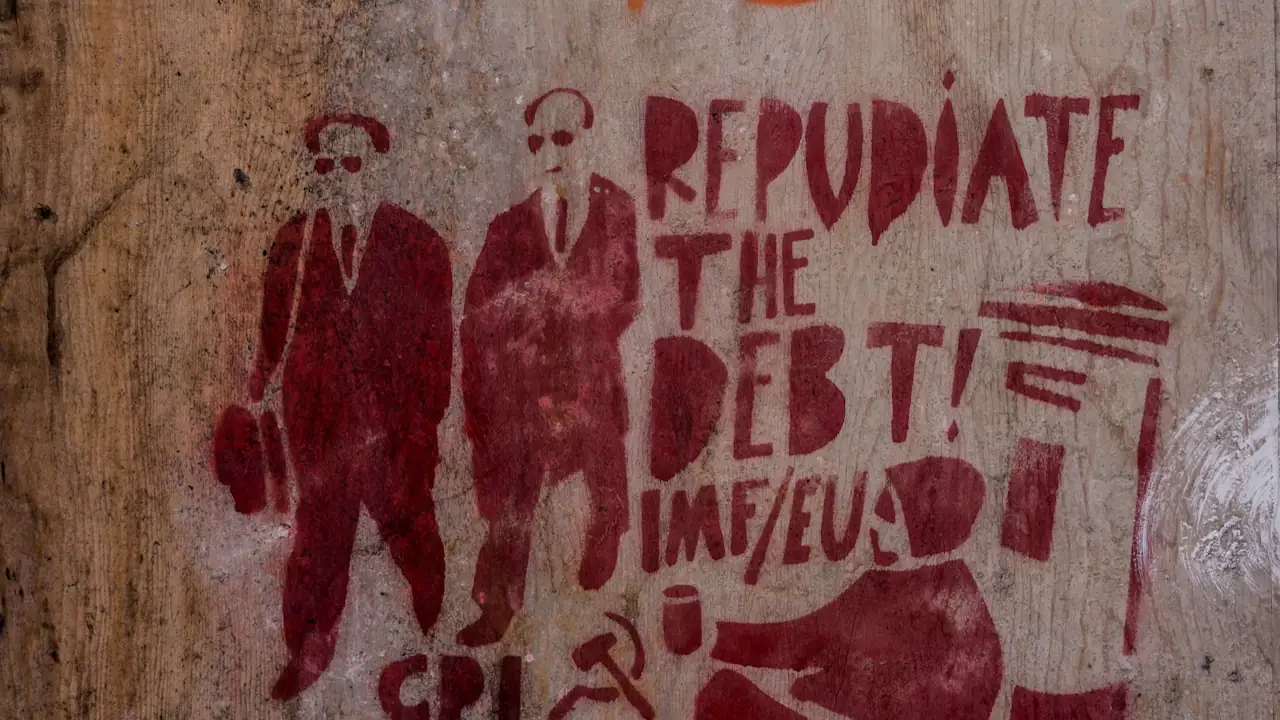
Street art in Dublin against IMF/EU debt, June 2013. The recent Kenyan anti-tax protests are a warning that the International Monetary Fund (IMF) is failing. The public does not think it is helping its member countries manage their economic and financial problems, which are being exacerbated by a rapidly changing global political economy. The IMF has provided financial assistance to Kenya; however, the funding comes with strict conditions that suggest debt obligations are more important than the needs of long-suffering citizens. This is despite the IMF's claim that its mandate now includes helping states deal with issues such as climate, digitalisation, gender, governance, and inequality. Unfortunately, Kenya is not an isolated case. Twenty-one African countries are receiving IMF support. In Africa, debt service, on average, exceeds the combined amounts governments are spending on health, education, climate and social services. The tough conditions attached to IMF financing have led the citizens of Kenya and other African countries to conclude that a too powerful IMF is the cause of their problems. However, research into the law, politics and history of the international financial institutions suggests the opposite: the real problem is the IMF’s decline in authority and efficacy.
16 April 2024

The liquidity crisis in developing countries is not over

External debt ratios of low-income and lower-middle-income countries are lower than before, but liquidity pressures have increased due to various shifts in the global economy
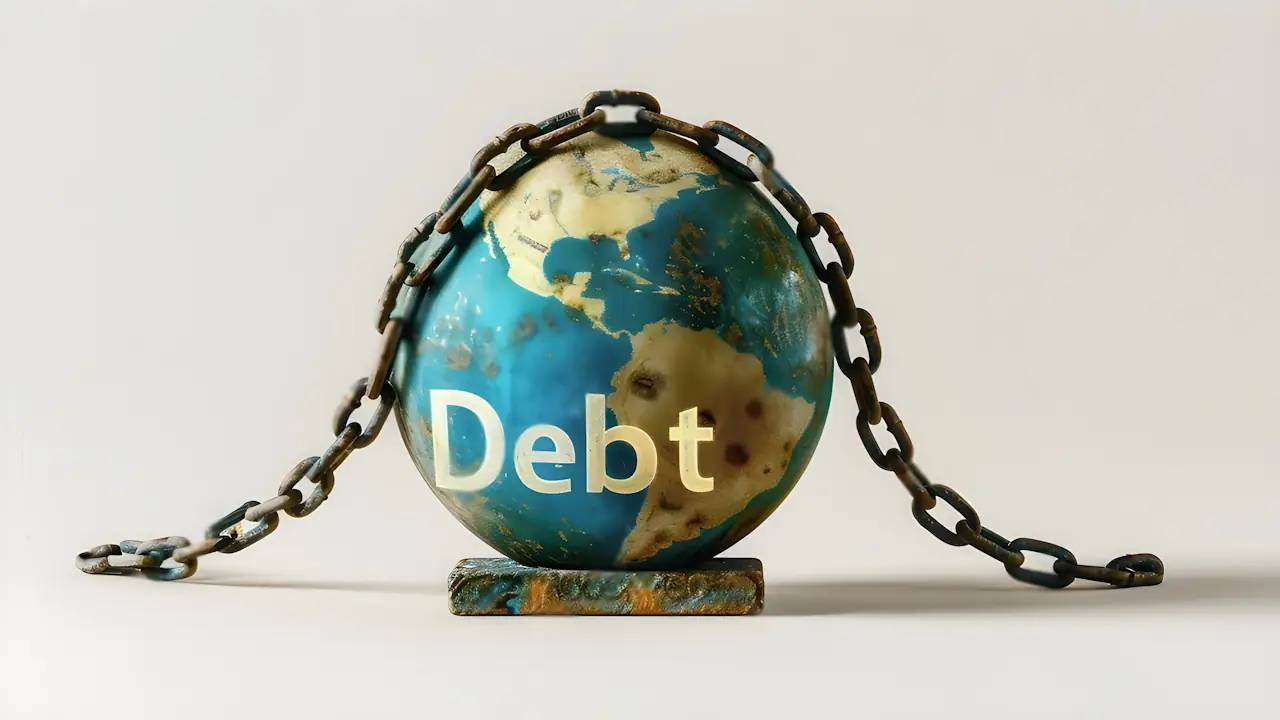
Globe weighed down by a chain and labelled 'debt': global debt crisis, economic burden, financial instability, liquidity crisis
26 February 2024

Africa’s debt crisis demands a bold new approach

Africa cannot rely on the global community to provide adequate funding or debt relief to address its development needs and crises, such as pandemics or extreme weather events
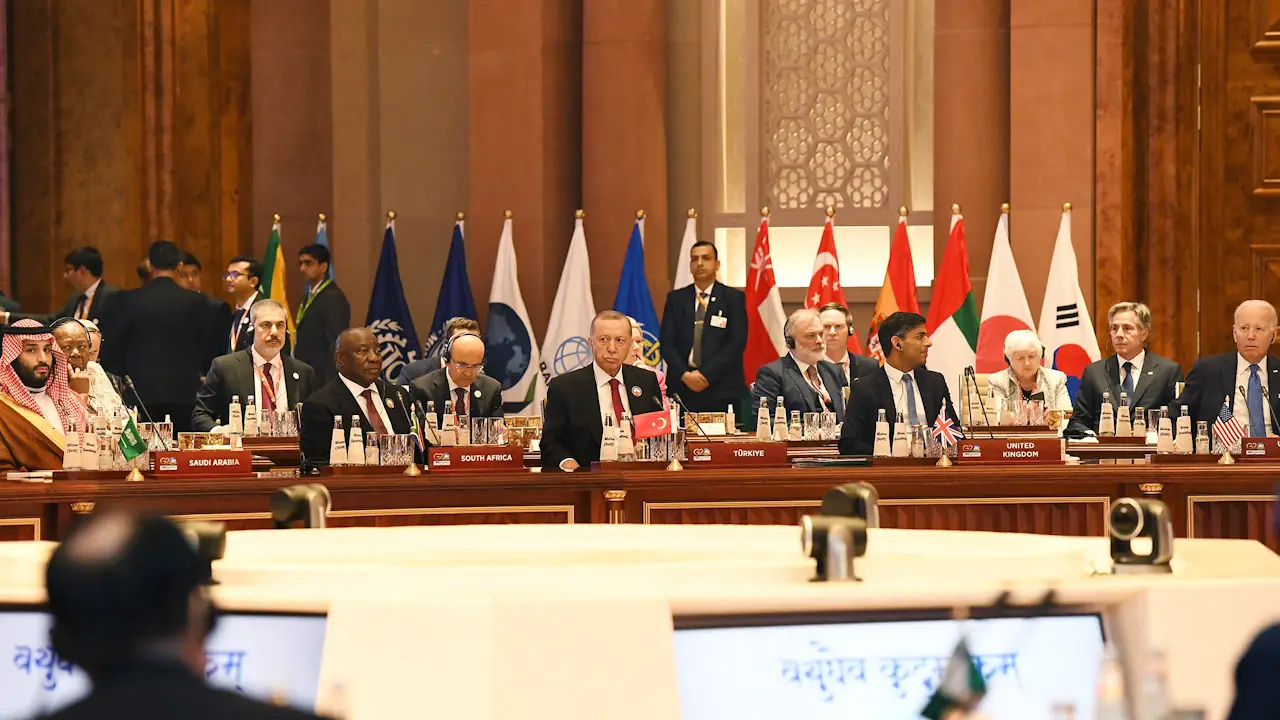
South African President Cyril Ramaphosa and other G20 leaders at the opening ceremony of the 2023 G20 Leaders' Summit in New Delhi, India, on 9 September 2023. The G20 agreed a Common Framework that was supposed to help resolve the sovereign debt crises in low income countries. Four African countries applied to have their debts restructured through the framework. Despite years of negotiations, it has failed to fully resolve the debt crisis in three of them.
21 February 2024

African countries need to shift from exporting commodities to tapping domestic demand

Recent internal instability and external shocks have created a vicious cycle of economic and financial distress in Africa, raising questions about the continent's ability to shape its own destiny
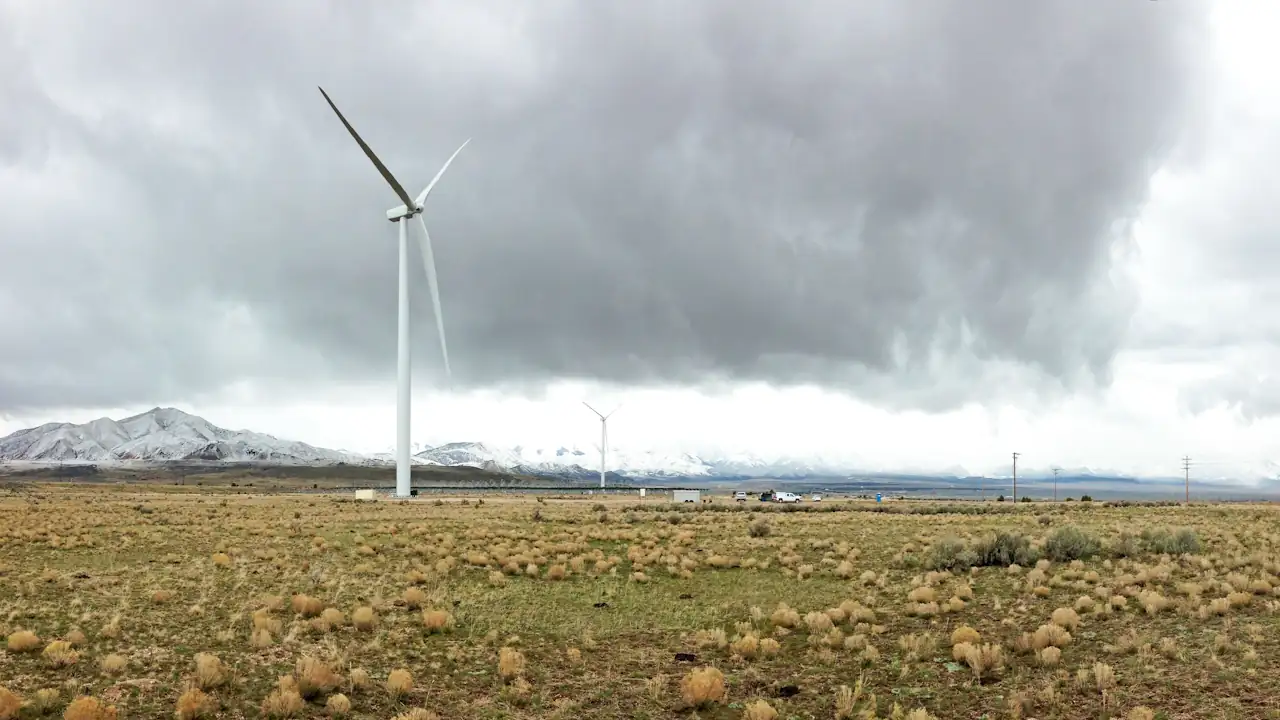
A panoramic photo shows the rapidly growing sustainable energy network constructed by the U.S. Army Corps of Engineers, Sacramento District at Toole Army Depot, Utah, March 22, 2016. When the two turbines, solar array, backup generators, battery storage systems, a micro grid and other planned renewable sources are operational, Tooele expects to become net zero by 2020 – going off grid and producing all of its own energy needs.
13 February 2024

Africa needs a grand revival plan from the West and China

Africa's crises have fuelled a surge in migration to Europe unlikely to abate soon unless rapid population growth is matched by improving economic conditions
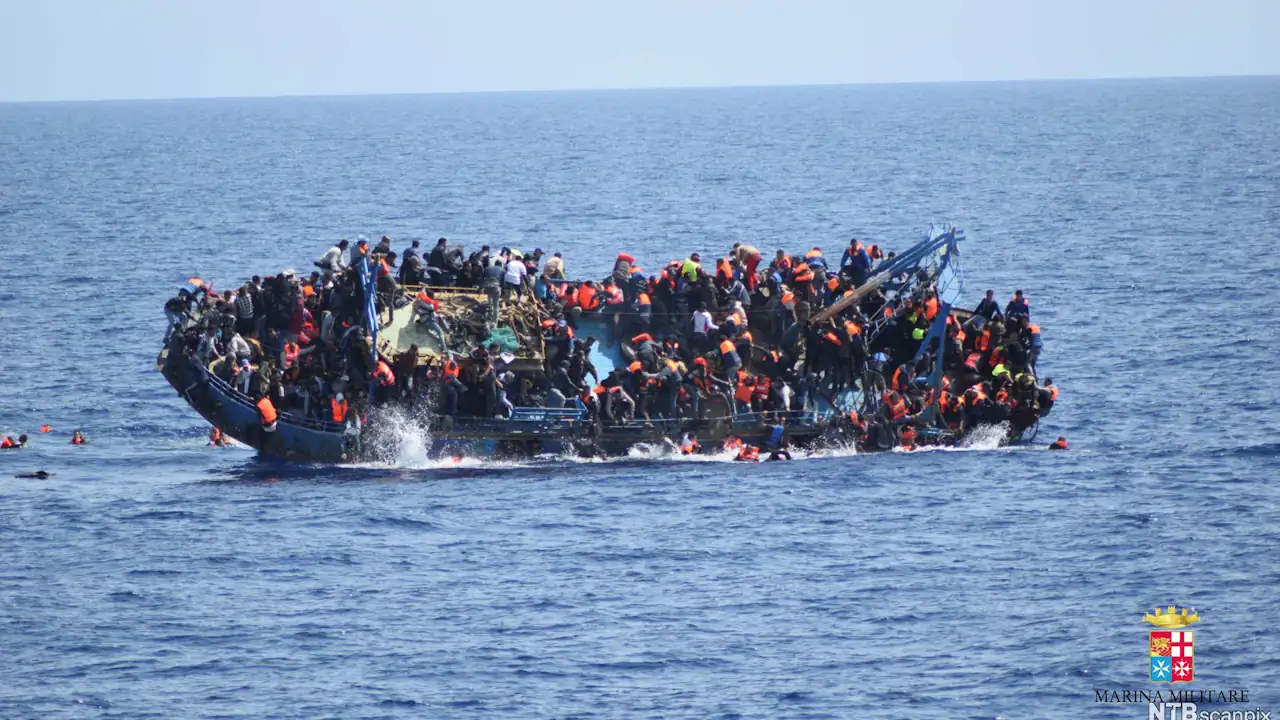
An overcrowded refugee boat capsizes in the Mediterranean Sea. The current economic and political situation in Africa has already fuelled a sharp rise in migration. Last September (2023), the UN High Commissioner for Refugees reported that more than 2,500 people had died or gone missing while trying to cross the Mediterranean to Europe in the first nine months of 2023, with many more perishing before they reached the coast. During that same period, 130,000 migrants, many departing from Tunisia or Libya, landed in Italy. These numbers will increase sharply if Africa’s population growth is not coupled with improving economic conditions. Worryingly, the International Monetary Fund’s current forecasts suggest GDP growth of around 4 per cent in Sub-Saharan Africa for the next two years – well below long-term trends. The current influx of mass migration to European countries such as Italy, Spain, and Greece may be only the beginning.
1 February 2024

Fixes for Africa’s exploding debt and collapsing currencies

Highly indebted African countries face stark trade-offs between servicing expensive debt, supporting growing development needs, and stabilising domestic currencies
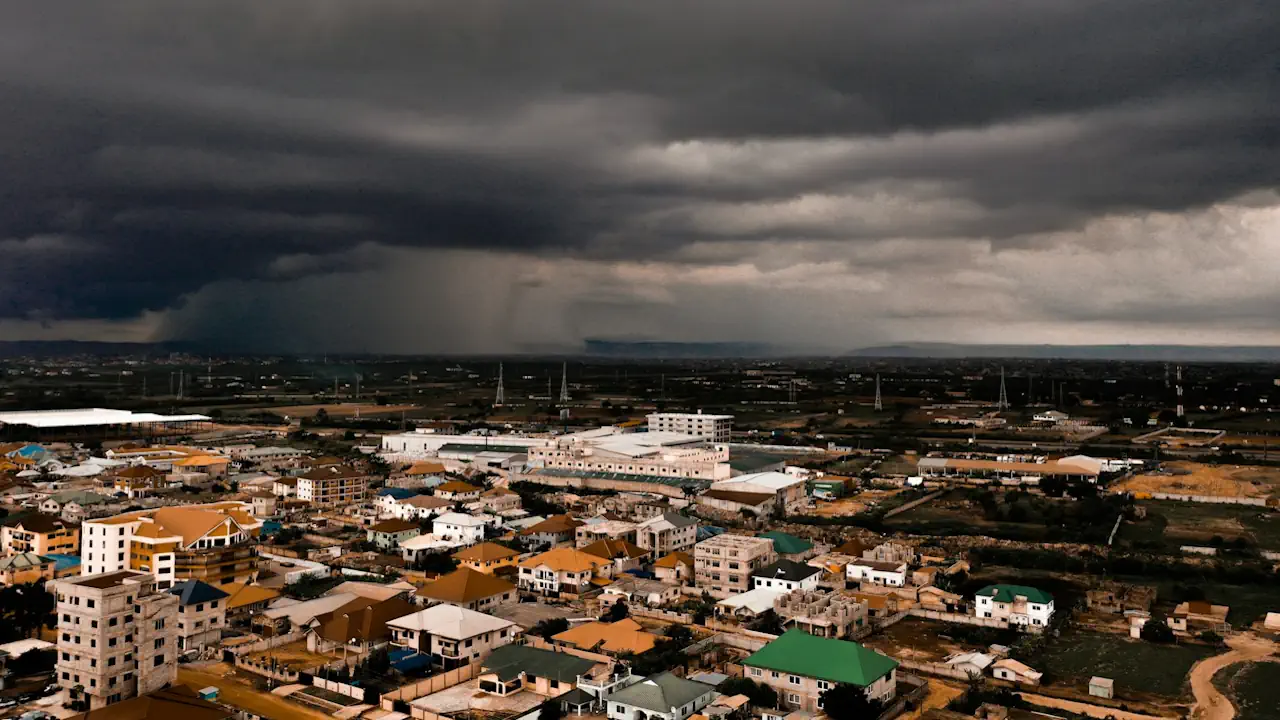
Storm clouds gathering over Accra, Ghana. Nineteen African countries, including Ghana and Zambia, are already in debt distress (meaning they are unable to meet financial obligations) or at high risk of debt distress. Ghana’s public debt has more than doubled since 2012 and amounts to 85 per cent of GDP. Zambia’s went up much higher and stood at 98 per cent as of 2022. Both Ghana and Zambia, along with Ethiopia, have defaulted on their foreign debt, sparking fears about a broader sovereign debt crisis on the continent if more countries fall into debt distress.