Coronavirus

Pandemic treaty deadline nears as disputes over pathogen-sharing rules persist
Disputes over pathogen-sharing rules risk delaying the WHO pandemic treaty ahead of a May 2026 deadline
Africa needs a grand revival plan from the West and China
Africa's crises have fuelled a surge in migration to Europe unlikely to abate soon unless rapid population growth is matched by improving economic conditions
Fixes for Africa’s exploding debt and collapsing currencies
Highly indebted African countries face stark trade-offs between servicing expensive debt, supporting growing development needs, and stabilising domestic currencies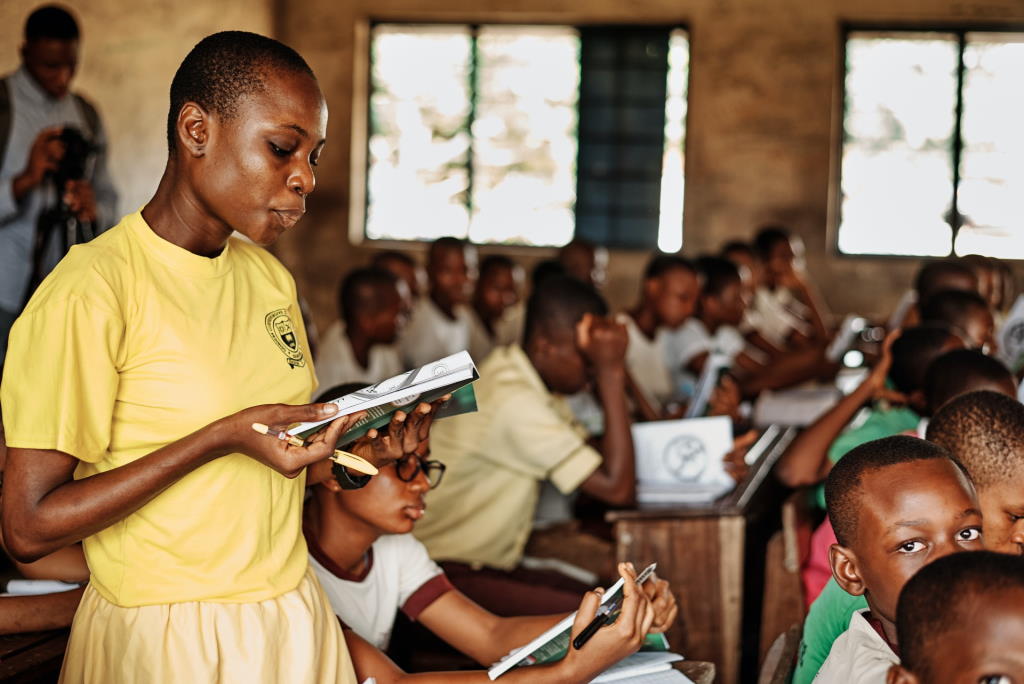
Uganda’s prolonged closure of schools: the impact is deep and uneven
To understand how the prolonged closure of schools affected the lives of adolescents in Uganda we conducted interviews with 36 young people and predominantly from a low socio-economic status
The World Bank and IMF are using flawed logic in their quest to do away with the informal sector
Recent reports by the World Bank and the IMF claim, wrongly, that informal economies undermine efforts to boost tax income and economic growth
Central bank keeps rate unchanged, flags volatile economic and financial conditions
The Bank of Uganda kept its key policy rate unchanged to provide more economic stimulus amidst volatile demand, sluggish private sector borrowing, and the effects of coronavirus restrictions to key sectors
Covid-19 pandemic reminds us that Africa must invest in human capital
It is human capital that will provide the strongest cushion in future crises, especially those that overwhelm social safety nets
Business recovery from Covid-19 and election uncertainty continues apace
Private sector activity gauge rises for the third straight month in April, jumping to its highest level in 15 months
India’s Covid crisis is bad news for the world economy
India’s second coronavirus wave has had a devastating impact, with over 300,000 new cases and 3,000 deaths each dayMore Coronavirus
Aid helps, but ensuring stable access to affordable food is more sustainable
Governments must focus on keeping food supply chains working during Covid-19 lockdowns, and ensure that sufficient food reaches urban markets and that it remains affordable
Central bank details key debt relief measures to ease coronavirus hit
The measures include the opportunity to pause loan repayments, the chance to extend maturity dates of loans, and other forms of debt restructuring set out by the law. The central bank has also suspended the prepayment of loan arrears as a condition for debt restructuring
Will the coronavirus crisis derail the African century?
Even before the virus has made much headway on the continent, African currencies, sovereign debt, and public equities have fallen dramatically, in many cases experiencing losses far greater than in developed or other developing and emerging markets

Coronavirus: BoU cuts interest rates, lowers growth forecasts, offers flexibility on bad loans
The Bank of Uganda cut its benchmark interest rate by a percentage point as part of measures to mitigate the economic crisis caused by the coronavirus pandemic, and also announced actions to support the financial institutions it supervises, including a moratorium on dividends and bonus payments

Government to spend extra Shs304.4bn to counter coronavirus
Uganda will spend Shs304.4bn ($80.6m) over the next three months on its coronavirus pandemic response, according to a supplementary budget request presented to parliament this week
The economic pain caused by Covid-19 shows we need to reshape African cities
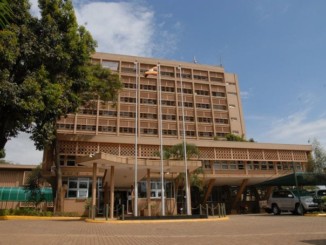
In Africa, lockdowns to control the spread of the Covid-19 coronavirus outbreak will hurt urban families -- most of who depend on informal sector jobs -- the most. Therefore, reshaping African cities in the pandemic’s aftermath to ensure they can be engines of economic growth in the future, will be key

Private sector contracts for the first time in over three years in Covid-19 fallout
The first indicator showing the economic impact of the Covid-19 coronavirus outbreak is out, and it shows that private sector activity in Uganda shrunk for the first time in over three years
Businesses to shut down as Museveni announces lockdown
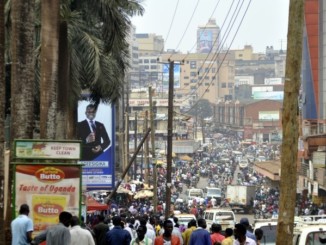
President Yoweri Museveni announced lockdown measures on Monday, telling all shopping malls, non-food shops, salons, and guesthouses to close for 14 days, and stopping all people to people travel

Covid-19 could break Africa. But it also offers an opportunity to reboot the continent’s economic policies
Africa’s ability to use monetary and fiscal policies to mitigate the pandemic’s economic impact is limited. Whereas governments and central banks around the world have adopted robust and often unprecedented short-run stimulus measures, most African countries lack the policy space and capacity to do so, or are constrained by monetary arrangements that prevent them from implementing national strategies
Government suspends public transport as coronavirus cases rise to 14
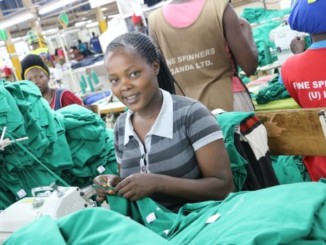
Uganda's government said on Wednesday that it is banning public transport for two weeks in a further tightening of measures aimed at preventing the spread of the novel coronavirus. Earlier, the ministry of health announced that infections of the Covid-19 coronavirus had risen to 14