Informal Sector
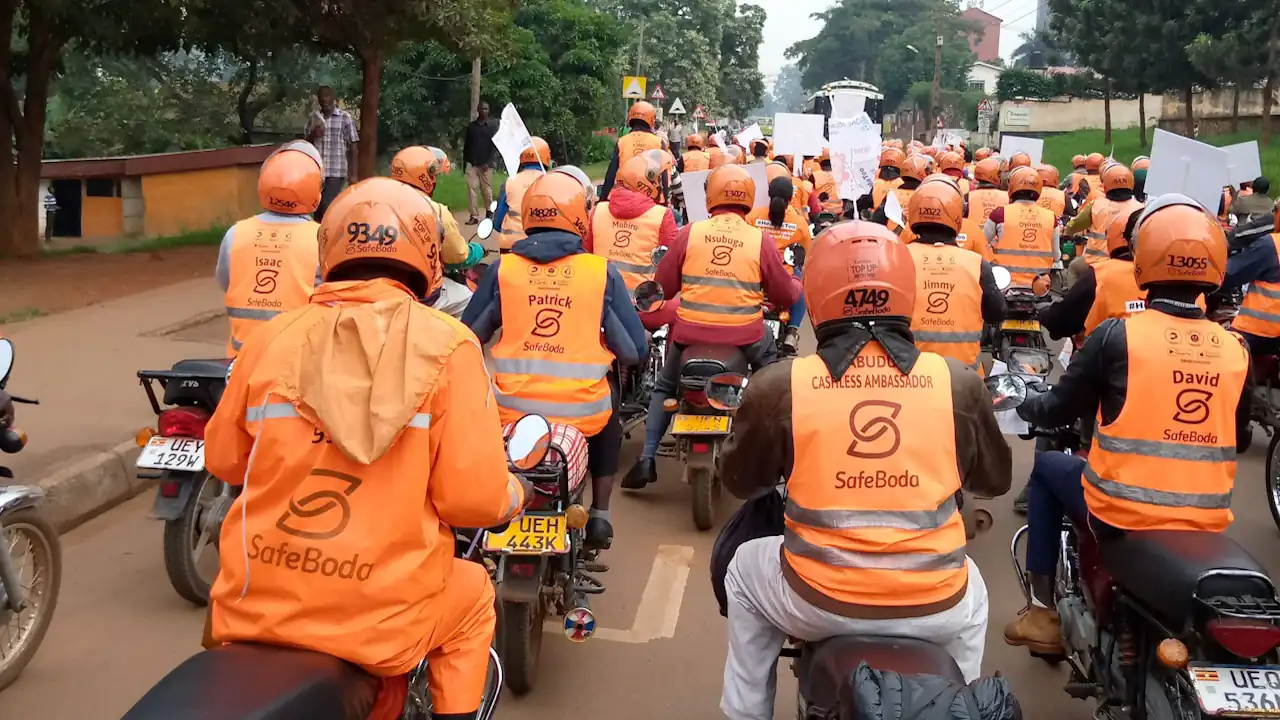
Formalisation for whom? Uganda’s boda-boda drivers find the gig economy delivers for platforms, not riders
New research finds Uganda's ride-hail platforms extract wealth from informal boda-boda drivers while offering no meaningful labour protections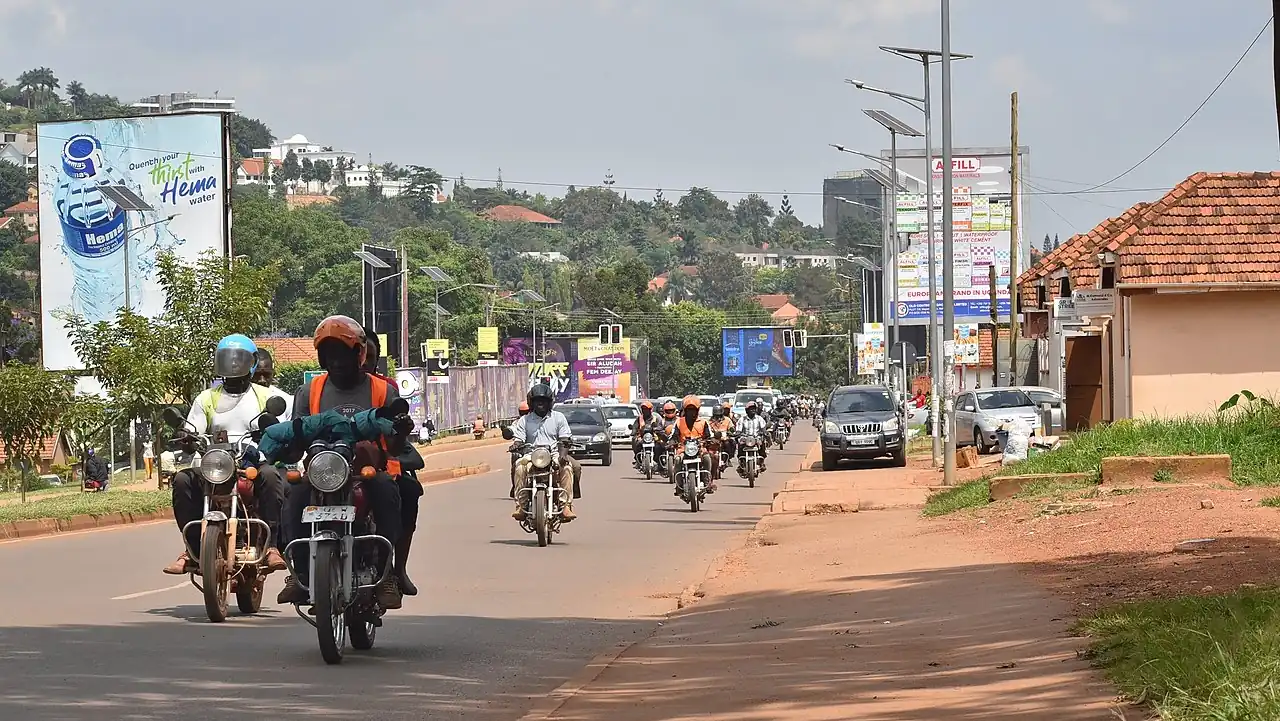
SafeBoda promised safety – but its riders are under pressure to speed
At its core, the ride-hailing model, which classifies riders as independent contractors doing poorly paid 'gig work' rather than as employees earning a wage, undermines its own safety ambitions
The World Bank and IMF are using flawed logic in their quest to do away with the informal sector
Recent reports by the World Bank and the IMF claim, wrongly, that informal economies undermine efforts to boost tax income and economic growth
Informal sector: time to pay attention to tomorrow’s biggest employer
Decision makers seem oblivious to the fact that most young people will be employed in the informal sector
Aid helps, but ensuring stable access to affordable food is more sustainable
Governments must focus on keeping food supply chains working during Covid-19 lockdowns, and ensure that sufficient food reaches urban markets and that it remains affordable
The economic pain caused by Covid-19 shows we need to reshape African cities
In Africa, lockdowns to control the spread of the Covid-19 coronavirus outbreak will hurt urban families -- most of who depend on informal sector jobs -- the most. Therefore, reshaping African cities in the pandemic’s aftermath to ensure they can be engines of economic growth in the future, will be key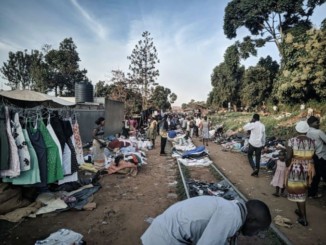
How coronavirus will affect the informal sector
Coronavirus is going to have a devastating impact on economies. Africa has a particular vulnerability because so many people work in the informal sector. Njeri Kinyanjui explains how this could unfold for informal labourers and whether there’s anything that can be done to support them
Understanding the informal sector in Kampala
The informal sector in Kampala is not black and white: it is not simply a regulatory issue and it is not a major reservoir of entrepreneurial talent. Put simply, most informal firms don’t make enough to pay tax and are unlikely to grow