Subscribe | Sign In | Subscribe

International Monetary Fund
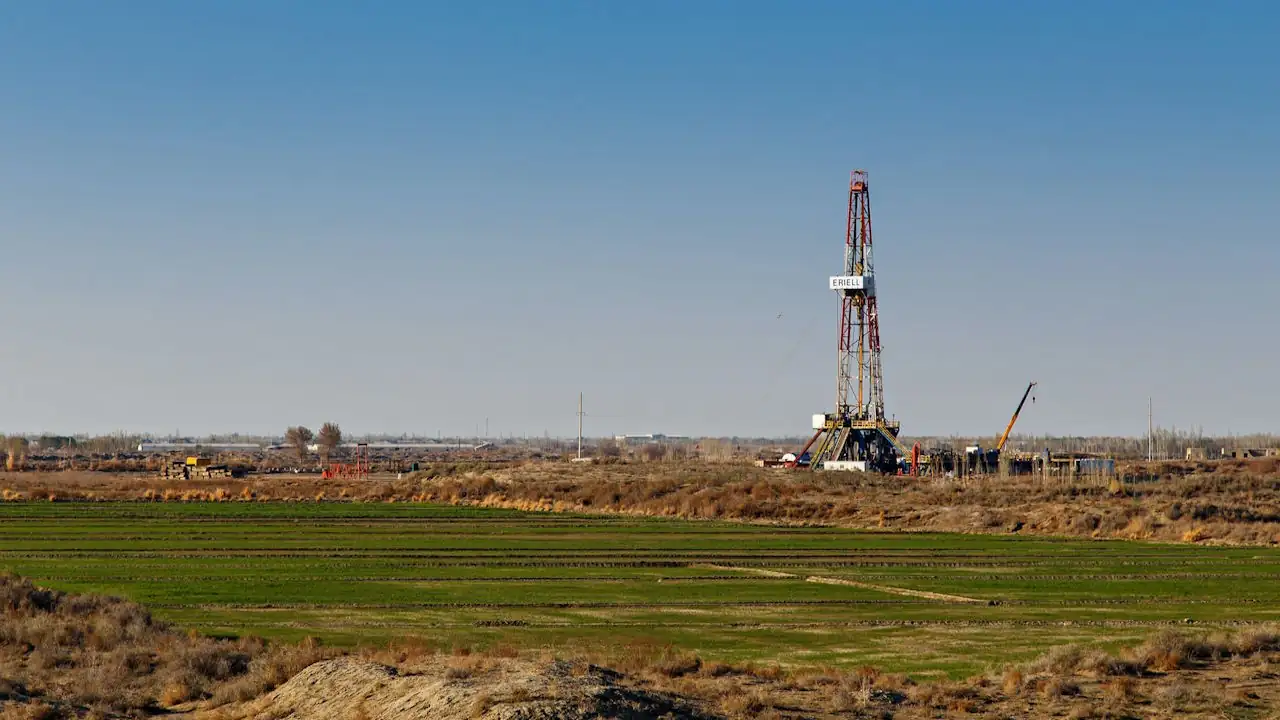
An inland oil rig
Fiscal Policy

Uganda set to outpace region as IMF flags oil-driven growth surge

IMF forecasts place Uganda among the world’s fastest-growing economies as oil production nears, even as risks rise across sub-Saharan Africa
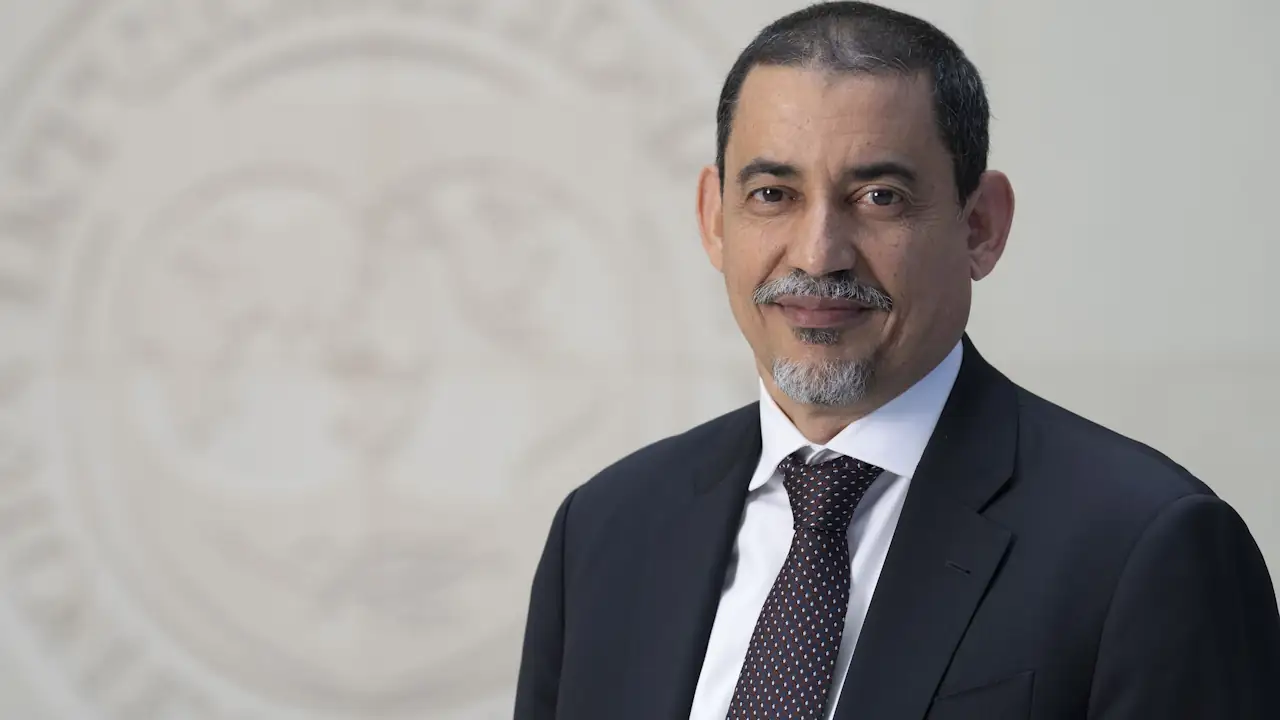
Mr Zeine Zeidane

IMF Managing Director Kristalina Georgieva appoints Zeine Zeidane as Director of the African Department

Mr Zeidane, a Mauritanian national, has over two decades of experience in macroeconomic policymaking and international economic cooperation
Scattered South African rands notes against a white background.
Middle East war

The Middle East war is hurting Africa. Here is how the continent fights back

As the Middle East war pushes African currencies lower and borrowing costs higher, a Pretoria scholar sets out how the continent must respond

The offices of the Ministry of Finance and Economic Development in Kampala

Uganda’s oil moment approaches — but the risks are multiplying

Uganda's first oil is due in H2 2026, but timing risks, fiscal pressures, and a Middle East conflict cloud the outlook

An outdoor discussion, with two female panellists seated in the chair, and other female holding a microphone and standing, as well as an audience

IMF upgrades sub‑Saharan Africa forecast as reforms blunt external shocks

The IMF has raised its growth forecast for sub-Saharan Africa, crediting improved macroeconomic management in several large economies and resilience amid external pressures
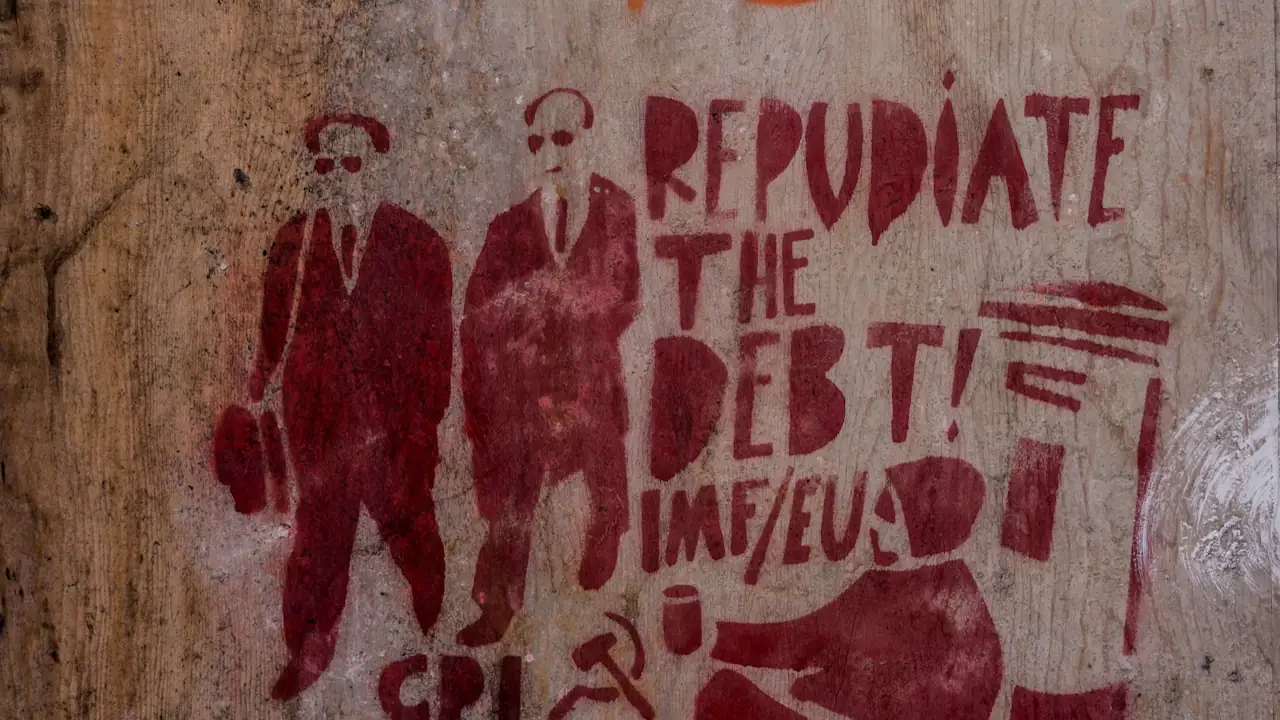
Street art in Dublin against IMF/EU debt, June 2013. The recent Kenyan anti-tax protests are a warning that the International Monetary Fund (IMF) is failing. The public does not think it is helping its member countries manage their economic and financial problems, which are being exacerbated by a rapidly changing global political economy. The IMF has provided financial assistance to Kenya; however, the funding comes with strict conditions that suggest debt obligations are more important than the needs of long-suffering citizens. This is despite the IMF's claim that its mandate now includes helping states deal with issues such as climate, digitalisation, gender, governance, and inequality. Unfortunately, Kenya is not an isolated case. Twenty-one African countries are receiving IMF support. In Africa, debt service, on average, exceeds the combined amounts governments are spending on health, education, climate and social services. The tough conditions attached to IMF financing have led the citizens of Kenya and other African countries to conclude that a too powerful IMF is the cause of their problems. However, research into the law, politics and history of the international financial institutions suggests the opposite: the real problem is the IMF’s decline in authority and efficacy.

The IMF is failing countries like Kenya: why, and what can be done to stop it

IMF’s declining resources relative to the size of the global economy has meant less funding than members need, forcing austerity and weakening its bargaining position in crises
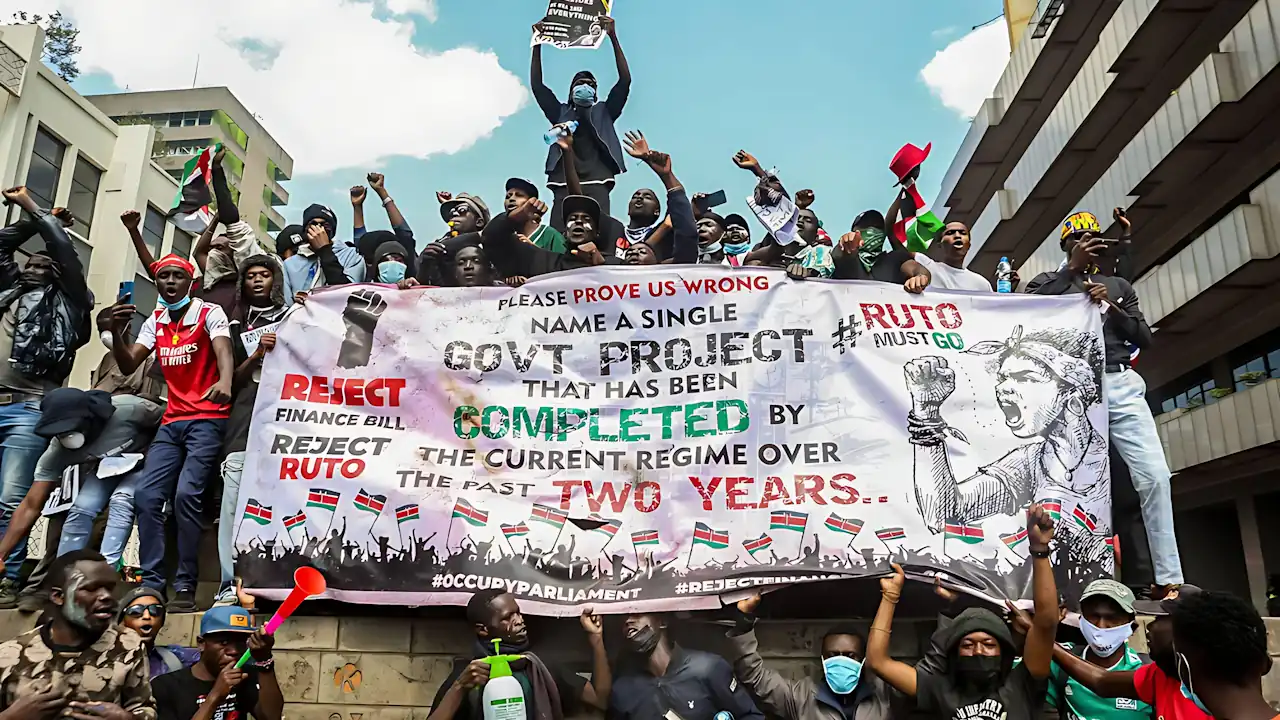
A large group of youths protesting against proposed tax increases in Nairobi, June 2025

The roots of the economic turmoil that led Kenyan youth to take to the streets

Corruption, a perennial problem in Kenya, has become a major source of anger; young people, who see corruption everywhere, from the street to offices, feel that it has stolen their future
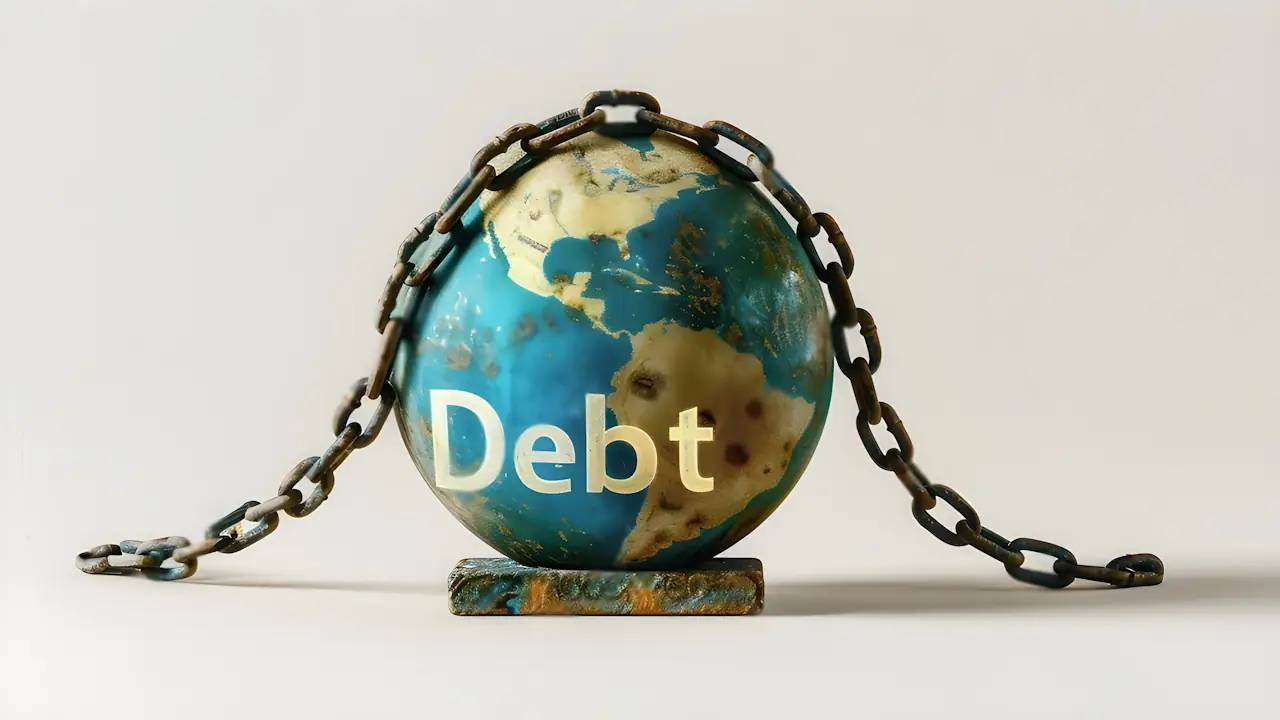
Globe weighed down by a chain and labelled 'debt': global debt crisis, economic burden, financial instability, liquidity crisis

The liquidity crisis in developing countries is not over

External debt ratios of low-income and lower-middle-income countries are lower than before, but liquidity pressures have increased due to various shifts in the global economy
An outdoor discussion, with two female panellists seated in the chair, and other female holding a microphone and standing, as well as an audience

After 50 years, the World Bank and IMF return to Africa, and with them a dated approach

The two institutions' one-size-fits-all approach to Africa is one of several flaws limiting their effectiveness in addressing current global challenges

More International Monetary Fund