Subscribe | Sign In | Subscribe

Kenya anti-tax protests
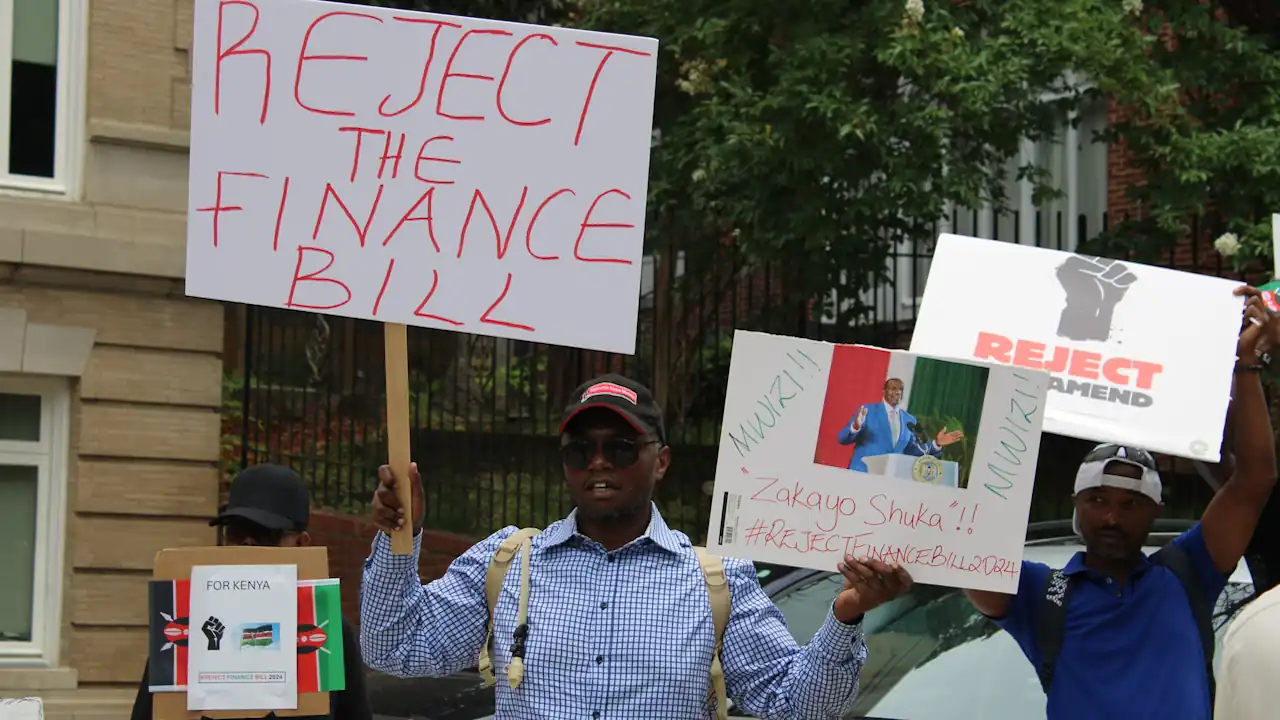
Two men hold placards at a demonstration in Washington D.C. in June 2024. They were part of a demonstration by Kenyans living in the United States in solidarity with mass protests then taking place back home.

What’s driving Africa’s youth-led protests?

While many of the protesters' demands are unlikely to be met, the demonstrations underline the urgent need for fundamental reform, not just in Kenya or Nigeria, but across Africa
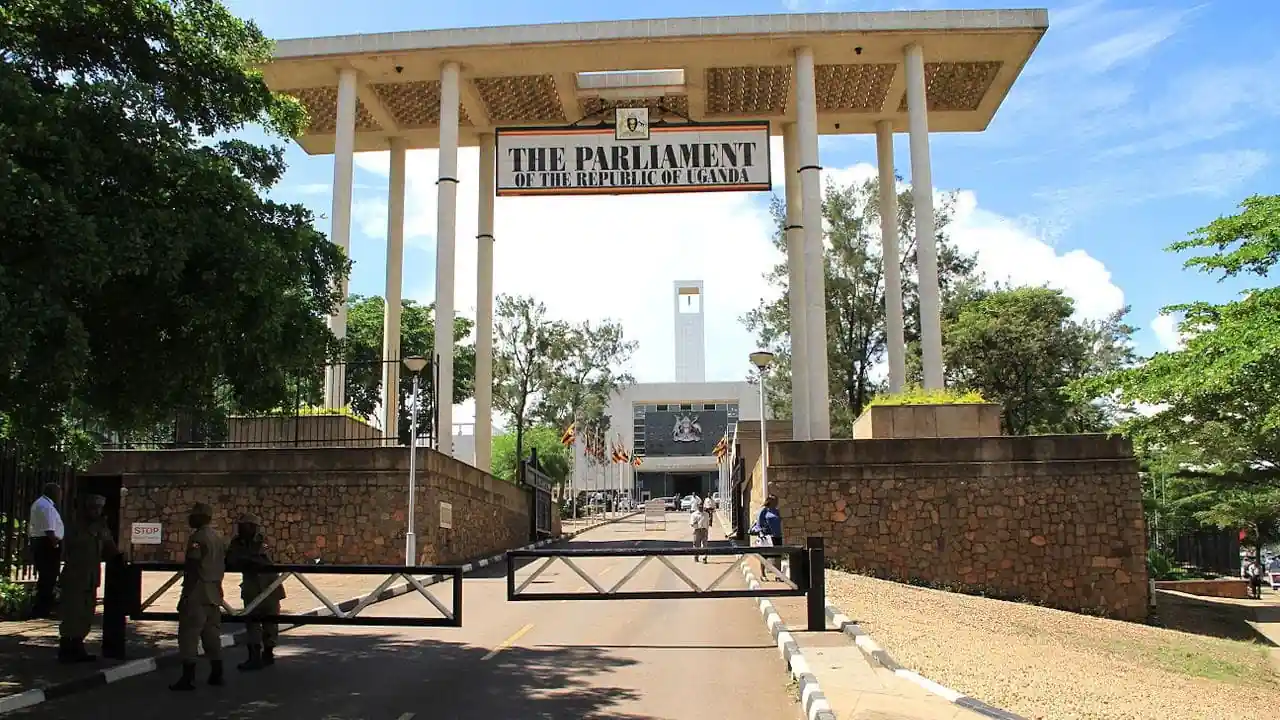
The main gate of the Parliament of Uganda in Kampala, Uganda

Uganda and Kenya protests highlight corruption at the very top, which happens to be the most difficult to fight

Political corruption destroys the incentives of those in power to curb corruption and persists because it keeps the regime afloat, a function that extends beyond mere personal gain
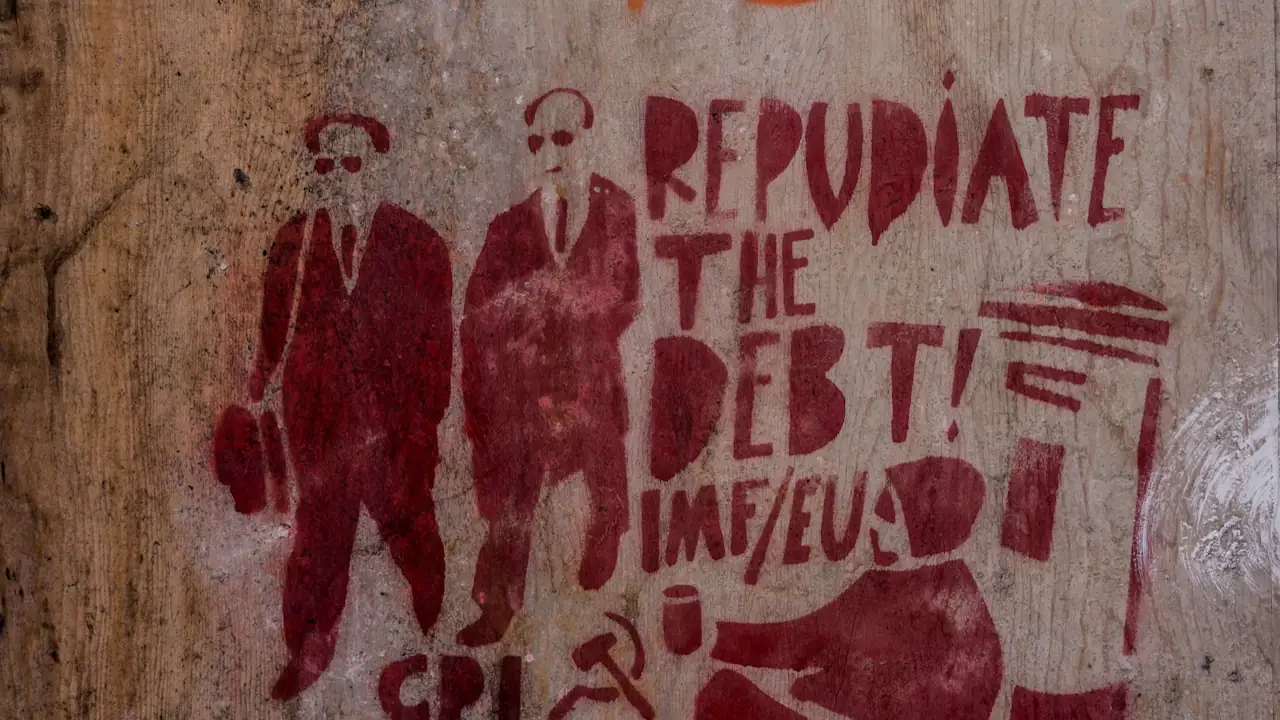
Street art in Dublin against IMF/EU debt, June 2013. The recent Kenyan anti-tax protests are a warning that the International Monetary Fund (IMF) is failing. The public does not think it is helping its member countries manage their economic and financial problems, which are being exacerbated by a rapidly changing global political economy. The IMF has provided financial assistance to Kenya; however, the funding comes with strict conditions that suggest debt obligations are more important than the needs of long-suffering citizens. This is despite the IMF's claim that its mandate now includes helping states deal with issues such as climate, digitalisation, gender, governance, and inequality. Unfortunately, Kenya is not an isolated case. Twenty-one African countries are receiving IMF support. In Africa, debt service, on average, exceeds the combined amounts governments are spending on health, education, climate and social services. The tough conditions attached to IMF financing have led the citizens of Kenya and other African countries to conclude that a too powerful IMF is the cause of their problems. However, research into the law, politics and history of the international financial institutions suggests the opposite: the real problem is the IMF’s decline in authority and efficacy.

The IMF is failing countries like Kenya: why, and what can be done to stop it

IMF’s declining resources relative to the size of the global economy has meant less funding than members need, forcing austerity and weakening its bargaining position in crises
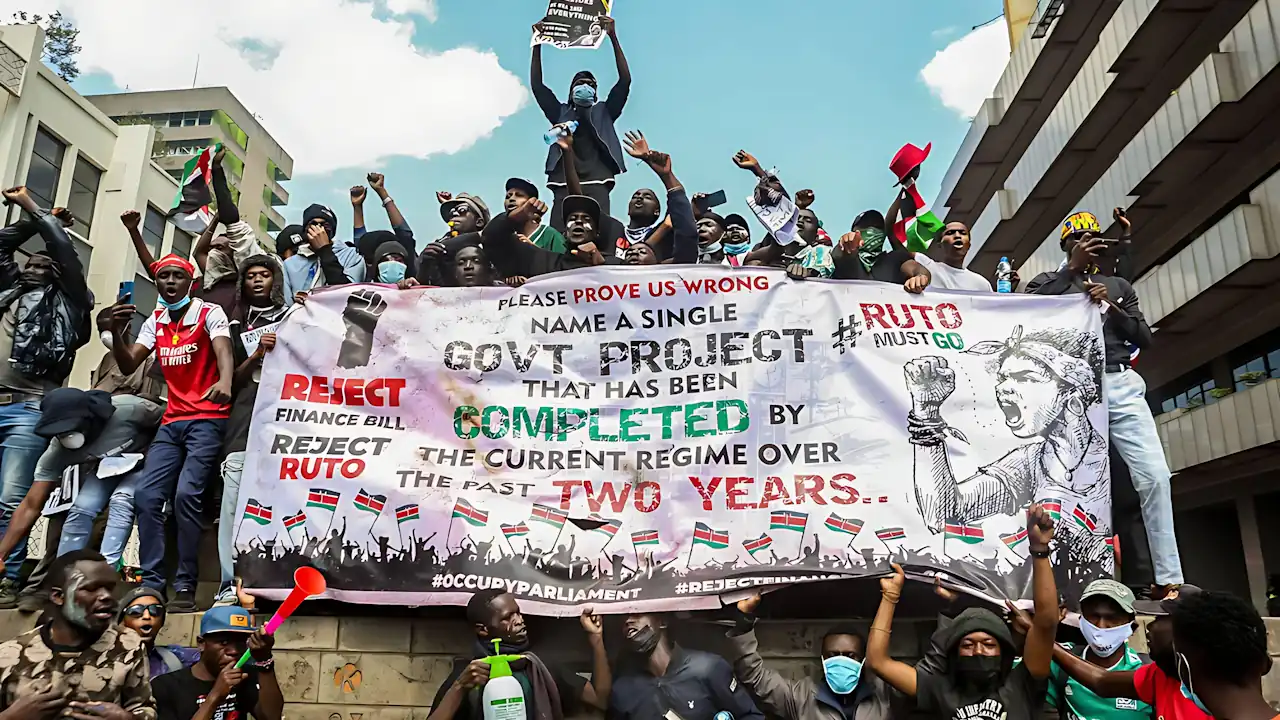
A large group of youths protesting against proposed tax increases in Nairobi, June 2025

The roots of the economic turmoil that led Kenyan youth to take to the streets

Corruption, a perennial problem in Kenya, has become a major source of anger; young people, who see corruption everywhere, from the street to offices, feel that it has stolen their future

More Kenya anti-tax protests