Sovereign debt
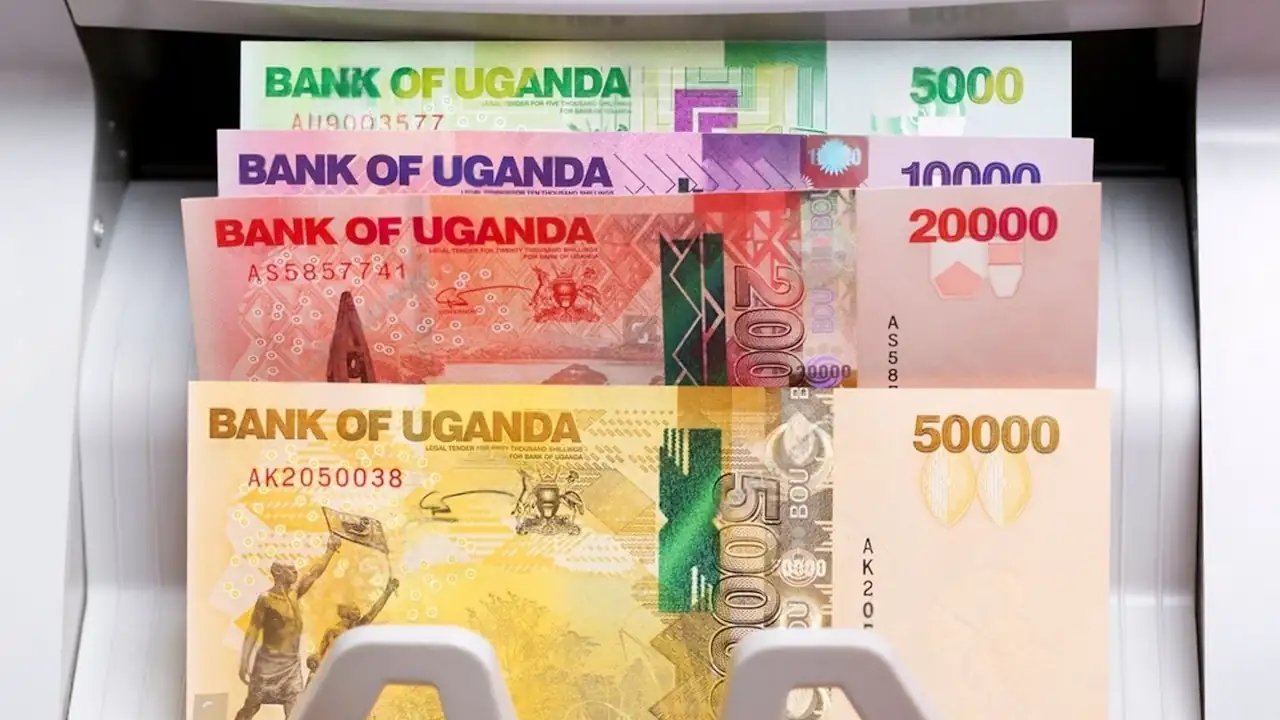
Uganda shilling weakens sharply as oil prices and global risk sentiment shift
Rising oil prices and shifting investor sentiment drive Uganda shilling to weakest level since mid-2024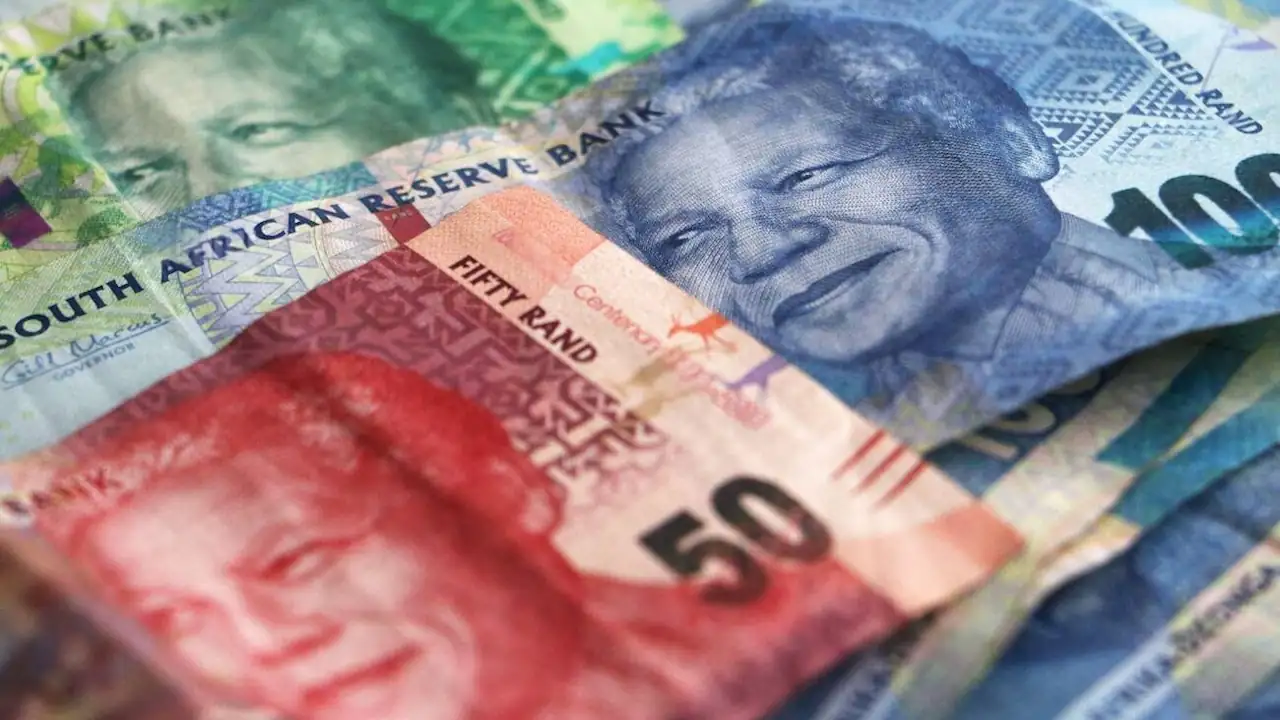
The Middle East war is hurting Africa. Here is how the continent fights back
As the Middle East war pushes African currencies lower and borrowing costs higher, a Pretoria scholar sets out how the continent must respond
Stanbic trading desk powers record profit
Stanbic Uganda Holdings posted its strongest profit growth in three years in 2025, led by a surge in trading income and compressed interest margins
Uganda bonds draw strong demand as yields fall to near two-year lows
Investors accepted sub-coupon rates across all three tenors at February's auction, signalling a marked shift in sentiment towards Ugandan sovereign debt
The G20 must end the cost-of-capital penalty imposed on Africa
Africa's cost of capital crisis is not rooted in economics alone, but is perpetuated by perception and precedent, as well as the structural inertia of a global financial system that systematically overprices African risk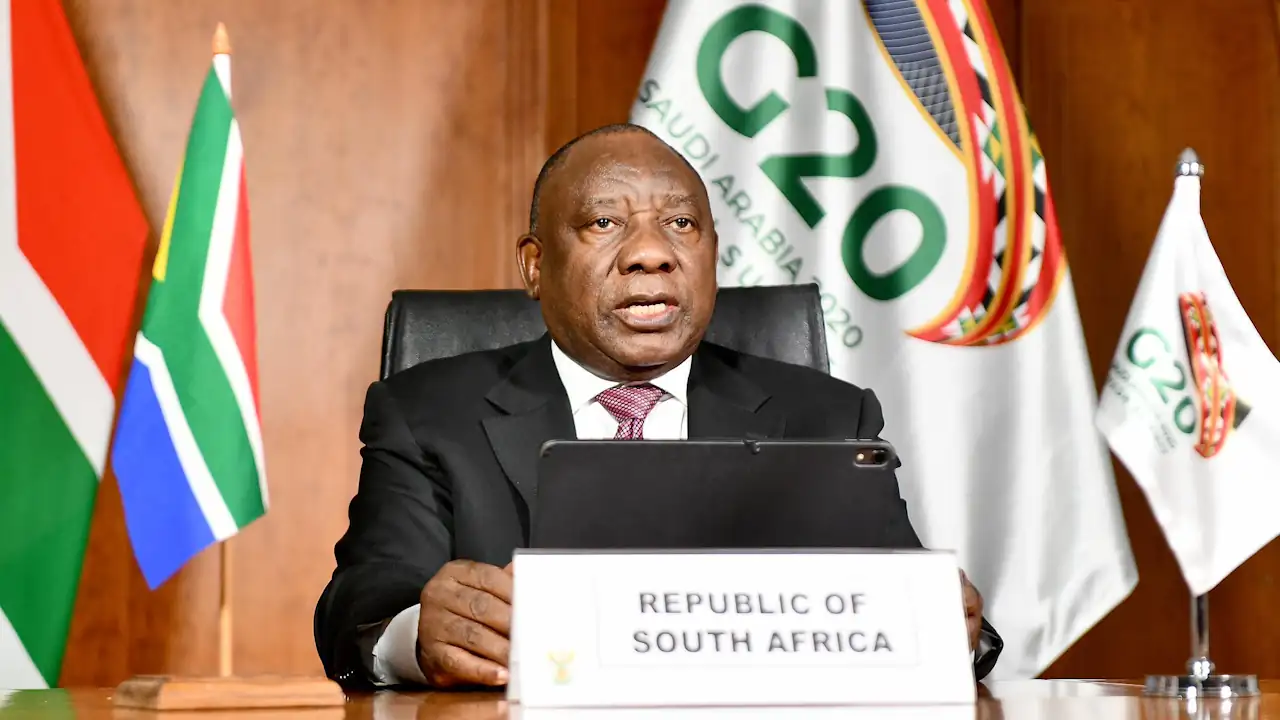
Africa’s debt crisis demands more than G20 declarations
African nations are trapped: spending more on debt servicing than on health or education, whilst climate shocks compound their struggles. South Africa's G20 tenure has highlighted the crisis, but substantive solutions remain elusive
African finance ministers shouldn’t be getting involved in bond deals – that’s what the experts are for!
Recent developments show that most eurobonds owned by African countries have not been structured properly. As a result, African countries are paying way over the odds relative to their sovereign risks
African countries are not good at issuing bonds, which means the cost of debt is higher than it should be. What changes are required?
African countries face a puzzling paradox: although they are paying more for the debt they are raising, demand for these bonds is much higher than supply - often oversubscribed by over five times.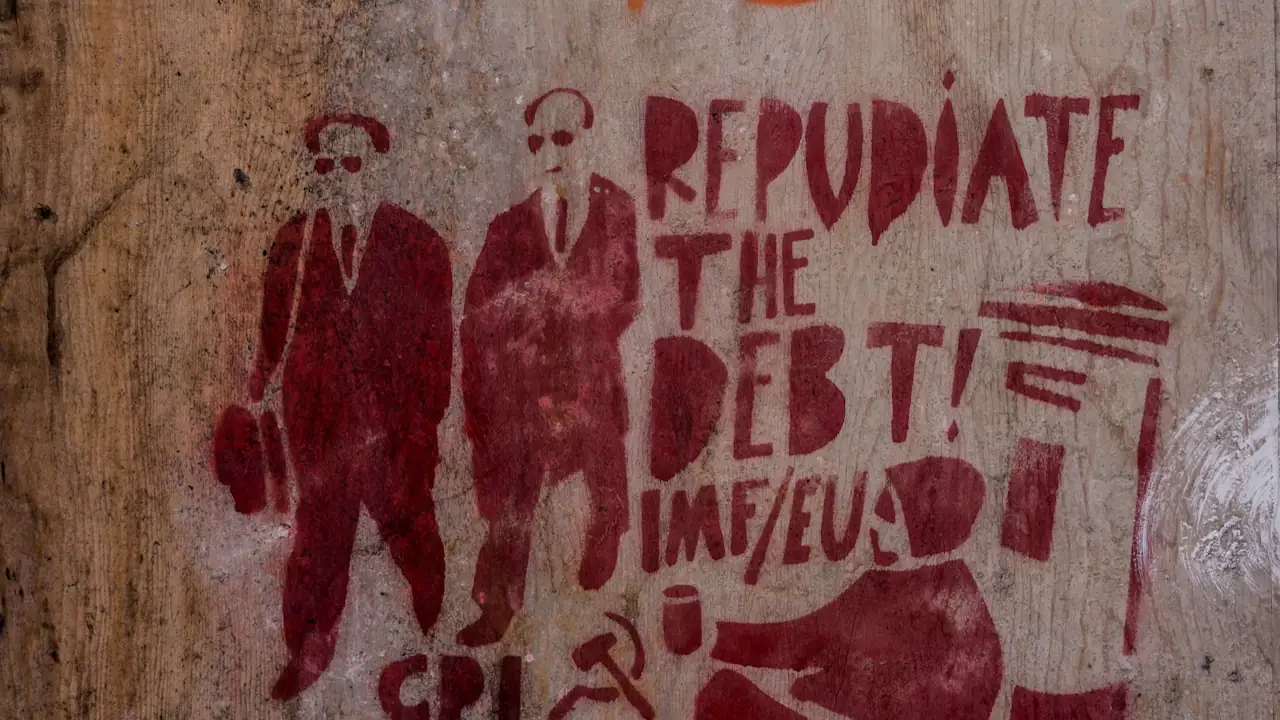
The IMF is failing countries like Kenya: why, and what can be done to stop it
IMF’s declining resources relative to the size of the global economy has meant less funding than members need, forcing austerity and weakening its bargaining position in crisesMore Sovereign debt
Why government bonds are a good investment
Seeking a safe and reliable way to grow your savings while supporting the Ugandan economy? Look no further than Treasury bills and bonds, issued by BoU on behalf of the government

The liquidity crisis in developing countries is not over
External debt ratios of low-income and lower-middle-income countries are lower than before, but liquidity pressures have increased due to various shifts in the global economy
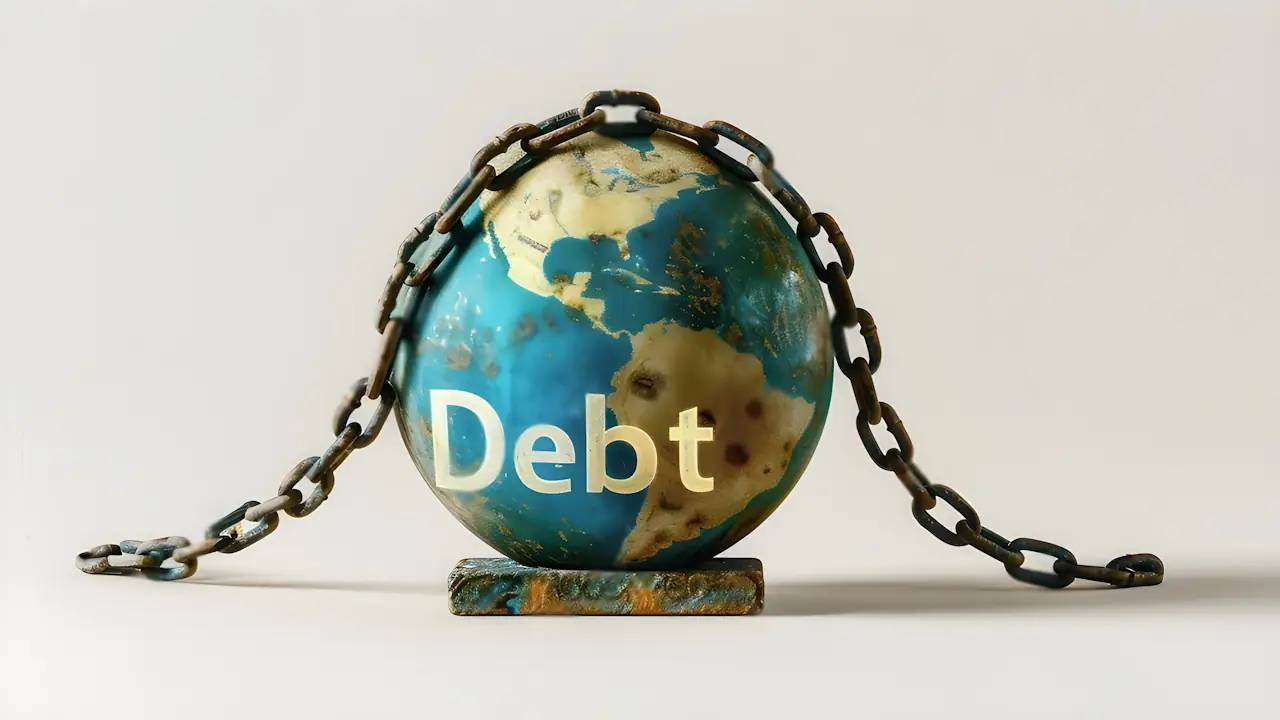
Africa’s debt crisis demands a bold new approach
Africa cannot rely on the global community to provide adequate funding or debt relief to address its development needs and crises, such as pandemics or extreme weather events
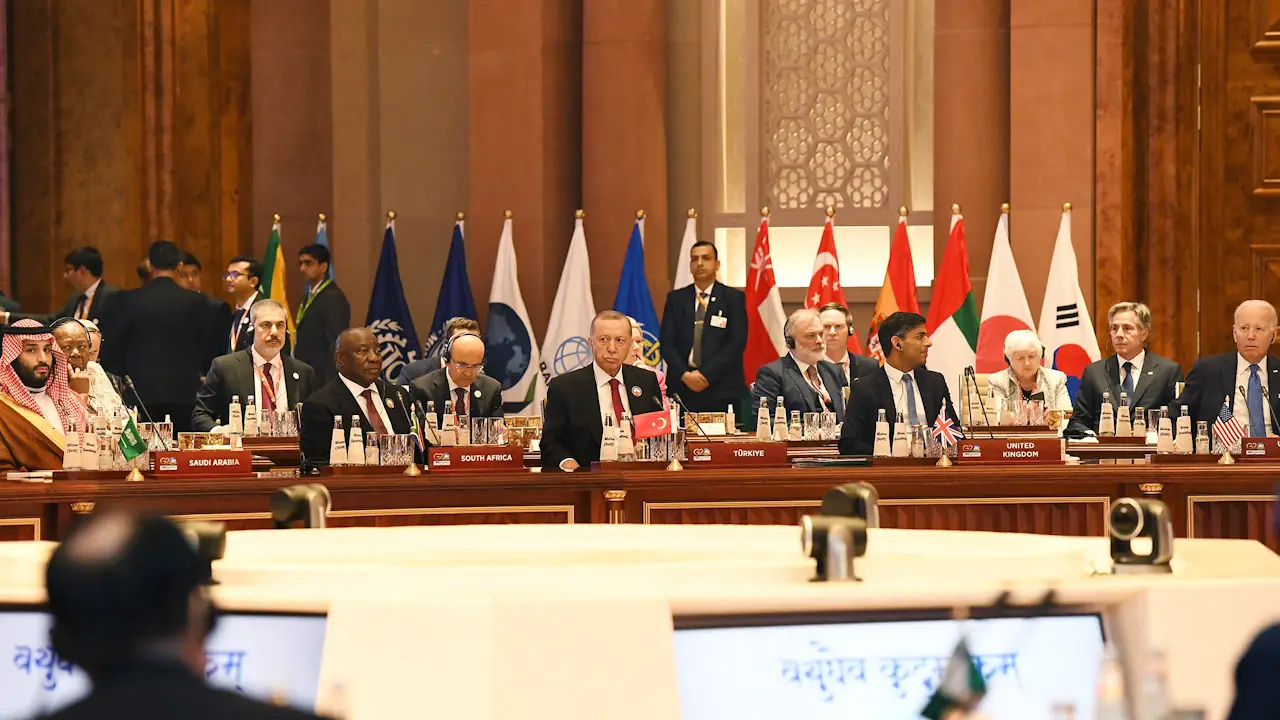
Fixes for Africa’s exploding debt and collapsing currencies
Highly indebted African countries face stark trade-offs between servicing expensive debt, supporting growing development needs, and stabilising domestic currencies
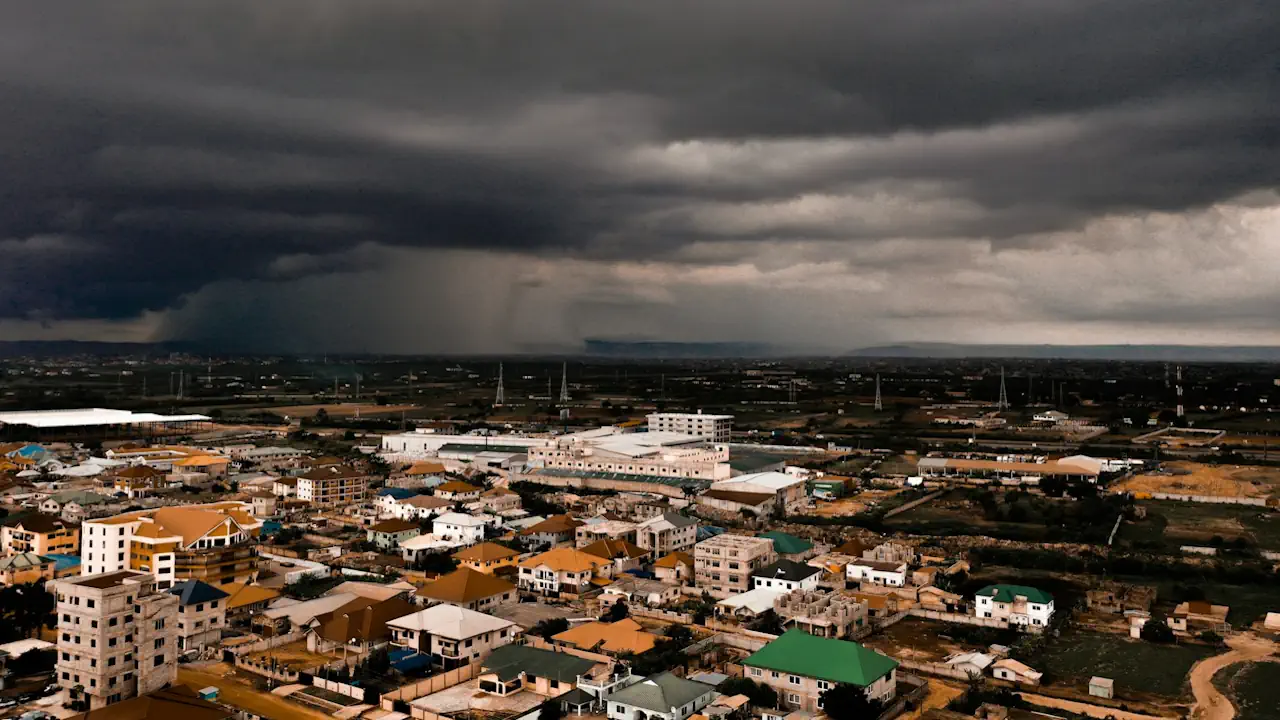
The conceptual roots of the debt crisis in the Global South
Growing debt crisis in the Global South largely the result of a flawed multilateral system, and also reflects inadequacies of the dominant analytical and policy frameworks

The real reason why cities in sub-Saharan Africa aren’t issuing municipal bonds
In the US, municipal bonds worth over $111 billion were issued in November and December 2017 for infrastructure, pension obligations and other critical needs. For comparison, cities in sub-Saharan Africa have raised less than 1% of the US amount since 2004