Subscribe | Sign In | Subscribe

Sovereign debt

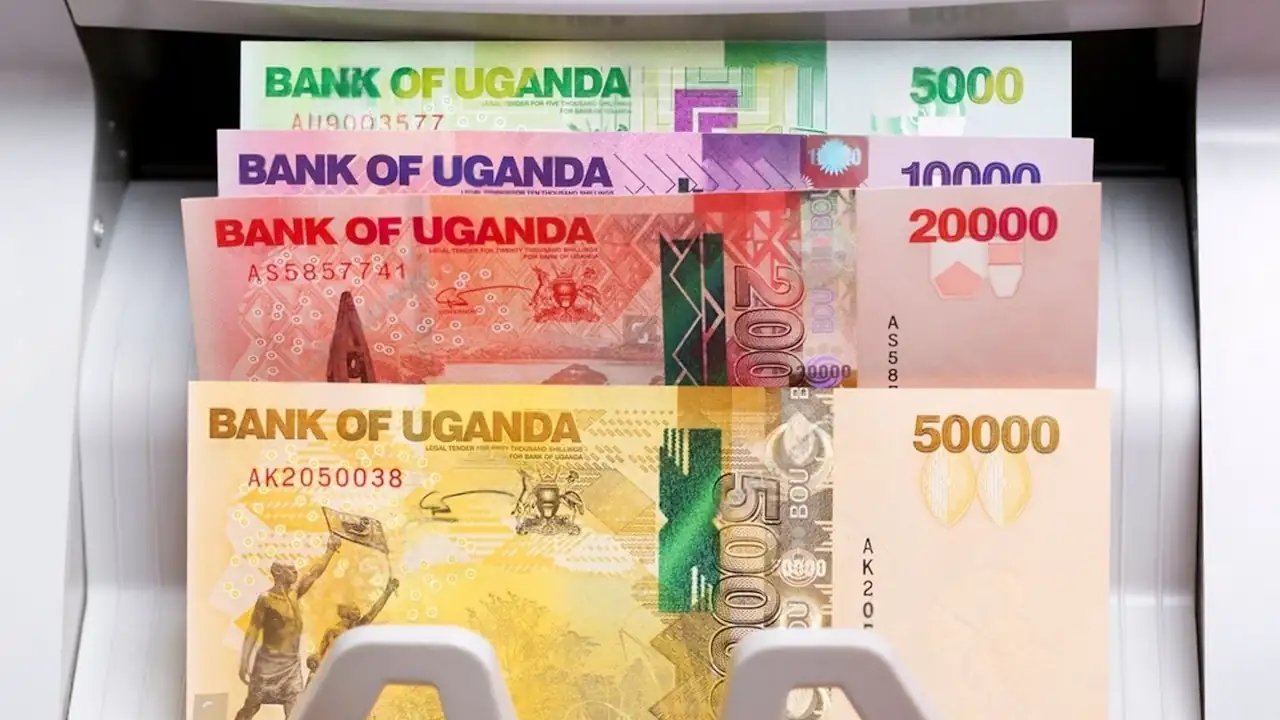
A stack of Ugandan shilling banknotes—50,000, 20,000, 10,000, and 5,000—arranged in a currency counting machine.
Foreign exchange

Uganda shilling weakens sharply as oil prices and global risk sentiment shift

Rising oil prices and shifting investor sentiment drive Uganda shilling to weakest level since mid-2024
Scattered South African rands notes against a white background.
Middle East war

The Middle East war is hurting Africa. Here is how the continent fights back

As the Middle East war pushes African currencies lower and borrowing costs higher, a Pretoria scholar sets out how the continent must respond

Standard Bank Group's headquarters in Johannesburg
Banking Sector

Stanbic trading desk powers record profit

Stanbic Uganda Holdings posted its strongest profit growth in three years in 2025, led by a surge in trading income and compressed interest margins
A stack of Ugandan shilling banknotes—50,000, 20,000, 10,000, and 5,000—arranged in a currency counting machine.

Uganda bonds draw strong demand as yields fall to near two-year lows

Investors accepted sub-coupon rates across all three tenors at February's auction, signalling a marked shift in sentiment towards Ugandan sovereign debt
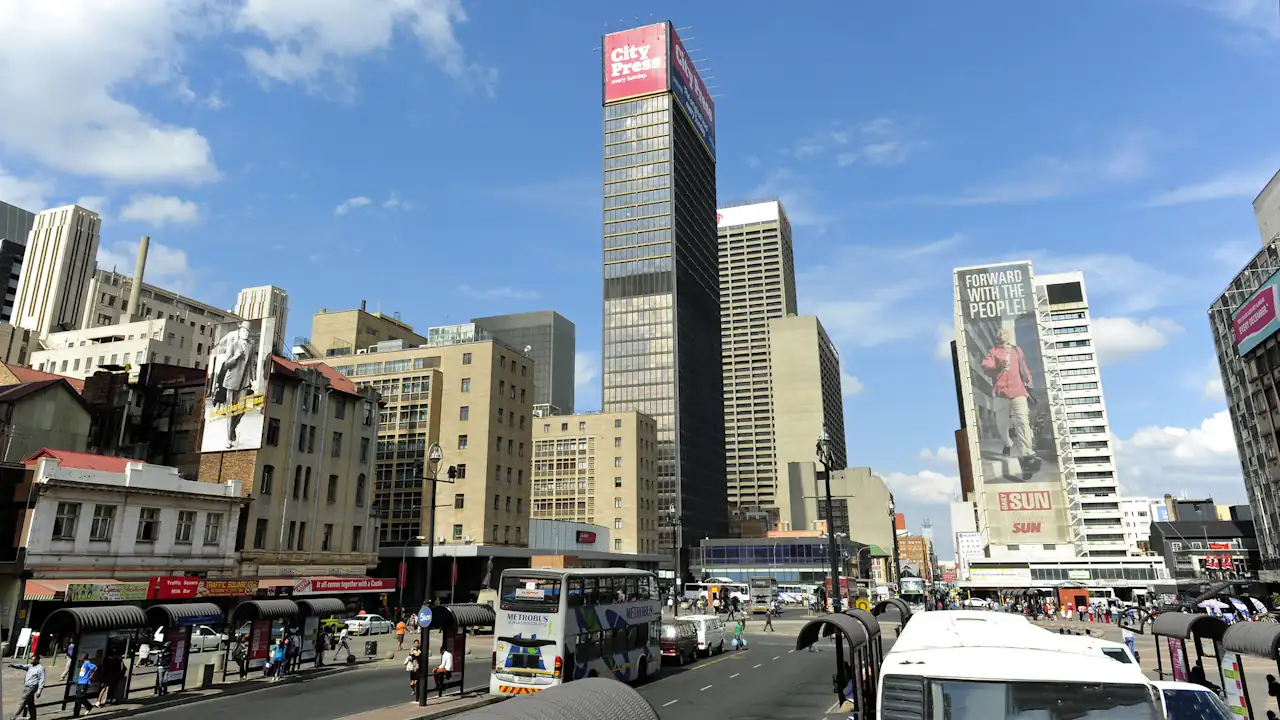
View of Joburg inner city from Gandhi Square, Johannesburg, Gauteng, South Africa

The G20 must end the cost-of-capital penalty imposed on Africa

Africa's cost of capital crisis is not rooted in economics alone, but is perpetuated by perception and precedent, as well as the structural inertia of a global financial system that systematically overprices African risk
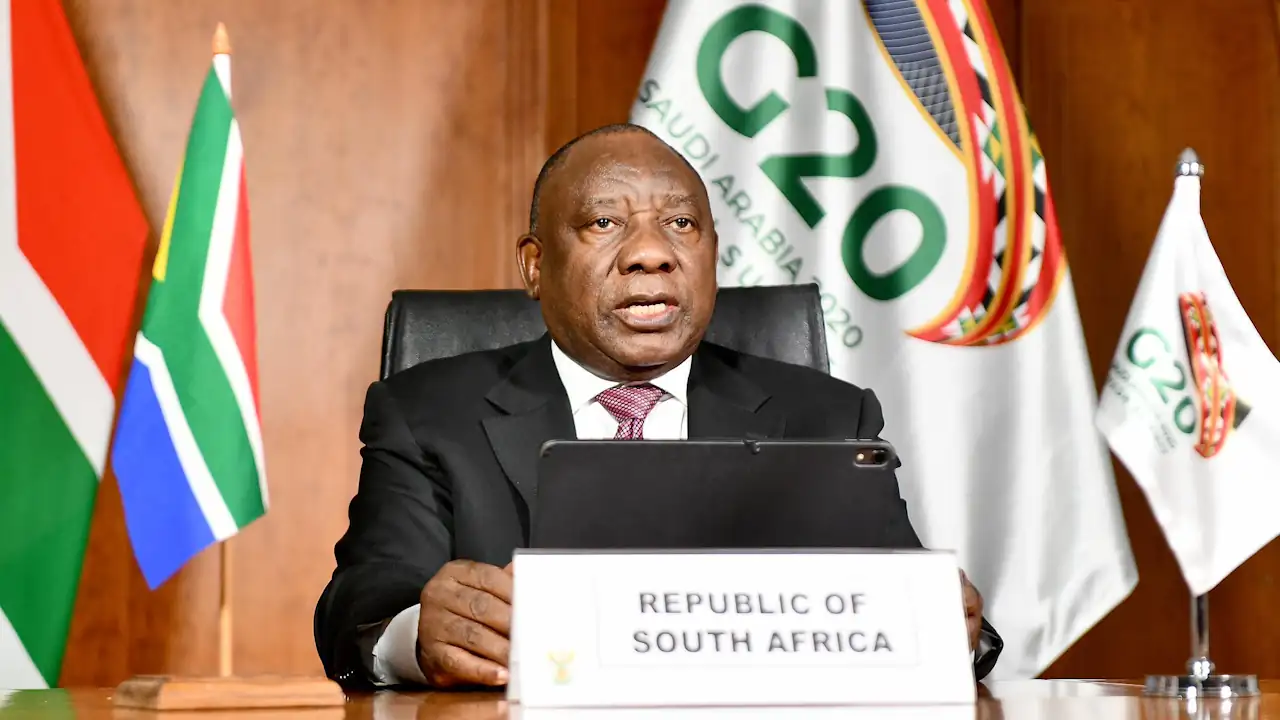
President Cyril Ramaphosa leads South African delegation to virtual G20 Leaders' Summit in November 2020

Africa’s debt crisis demands more than G20 declarations

African nations are trapped: spending more on debt servicing than on health or education, whilst climate shocks compound their struggles. South Africa's G20 tenure has highlighted the crisis, but substantive solutions remain elusive

Seedlings growing on coins, in soil medium

African finance ministers shouldn’t be getting involved in bond deals – that’s what the experts are for!

Recent developments show that most eurobonds owned by African countries have not been structured properly. As a result, African countries are paying way over the odds relative to their sovereign risks
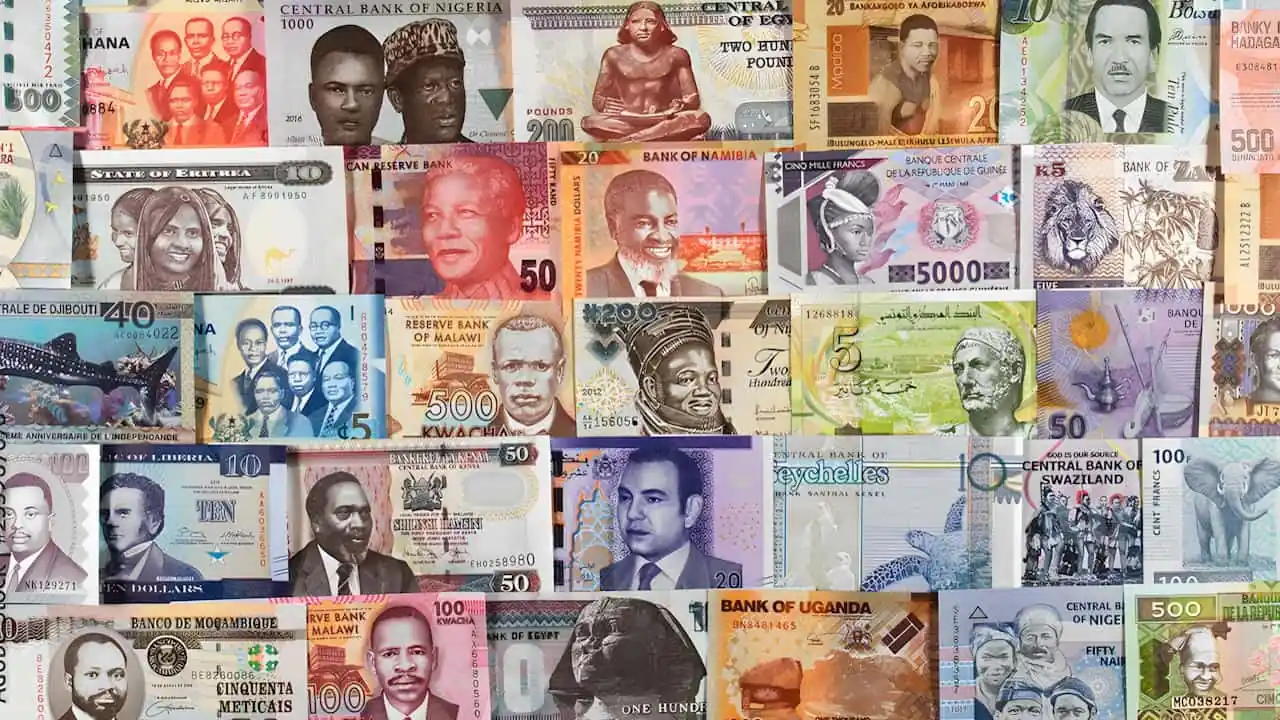
Various currency notes of African countries are seen in this photo

African countries are not good at issuing bonds, which means the cost of debt is higher than it should be. What changes are required?

African countries face a puzzling paradox: although they are paying more for the debt they are raising, demand for these bonds is much higher than supply - often oversubscribed by over five times.
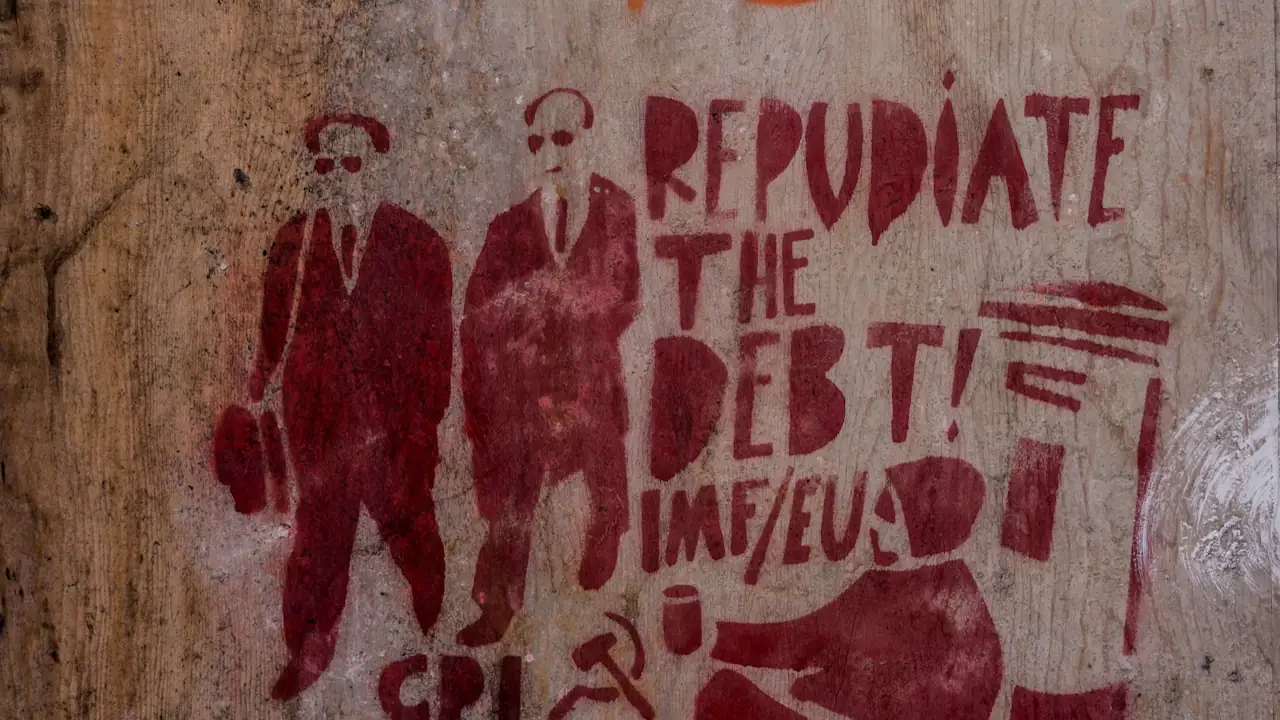
Street art in Dublin against IMF/EU debt, June 2013. The recent Kenyan anti-tax protests are a warning that the International Monetary Fund (IMF) is failing. The public does not think it is helping its member countries manage their economic and financial problems, which are being exacerbated by a rapidly changing global political economy. The IMF has provided financial assistance to Kenya; however, the funding comes with strict conditions that suggest debt obligations are more important than the needs of long-suffering citizens. This is despite the IMF's claim that its mandate now includes helping states deal with issues such as climate, digitalisation, gender, governance, and inequality. Unfortunately, Kenya is not an isolated case. Twenty-one African countries are receiving IMF support. In Africa, debt service, on average, exceeds the combined amounts governments are spending on health, education, climate and social services. The tough conditions attached to IMF financing have led the citizens of Kenya and other African countries to conclude that a too powerful IMF is the cause of their problems. However, research into the law, politics and history of the international financial institutions suggests the opposite: the real problem is the IMF’s decline in authority and efficacy.

The IMF is failing countries like Kenya: why, and what can be done to stop it

IMF’s declining resources relative to the size of the global economy has meant less funding than members need, forcing austerity and weakening its bargaining position in crises

More Sovereign debt