World Bank
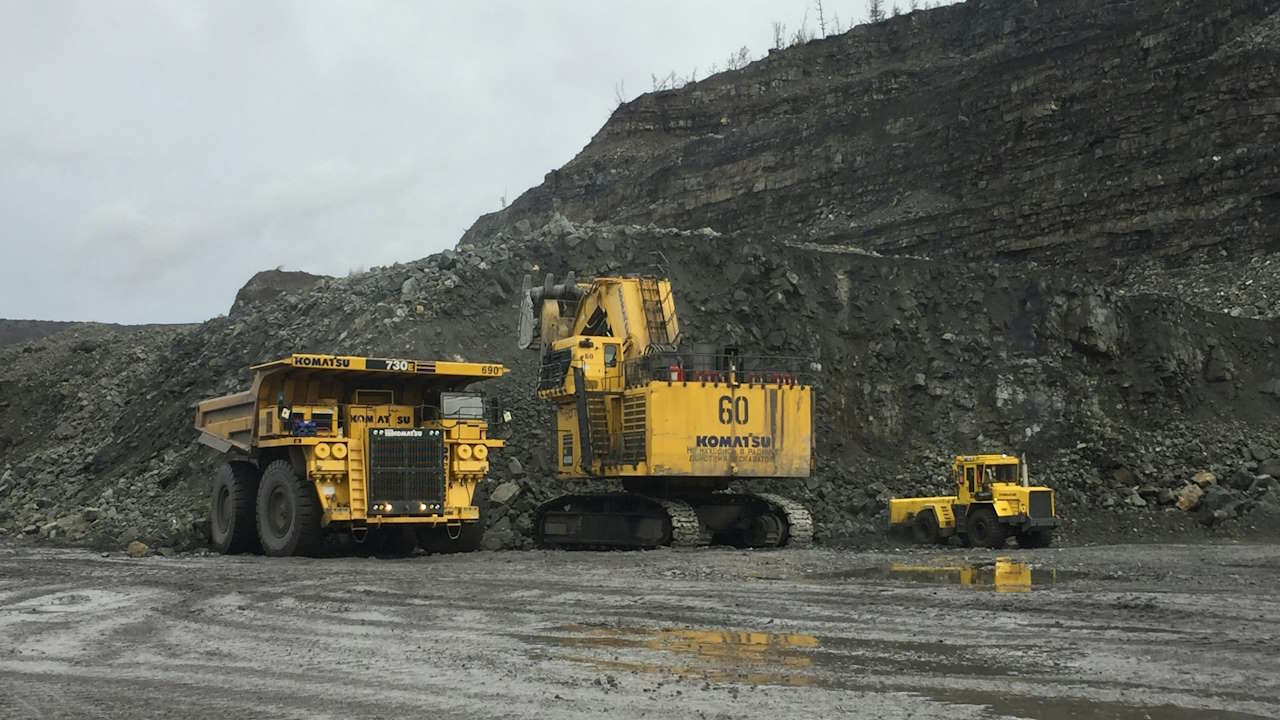
Rich in minerals, poor in processing: Africa’s green-energy dilemma
A World Bank study finds African countries mine transition minerals but rarely process them, limiting industrial and economic gains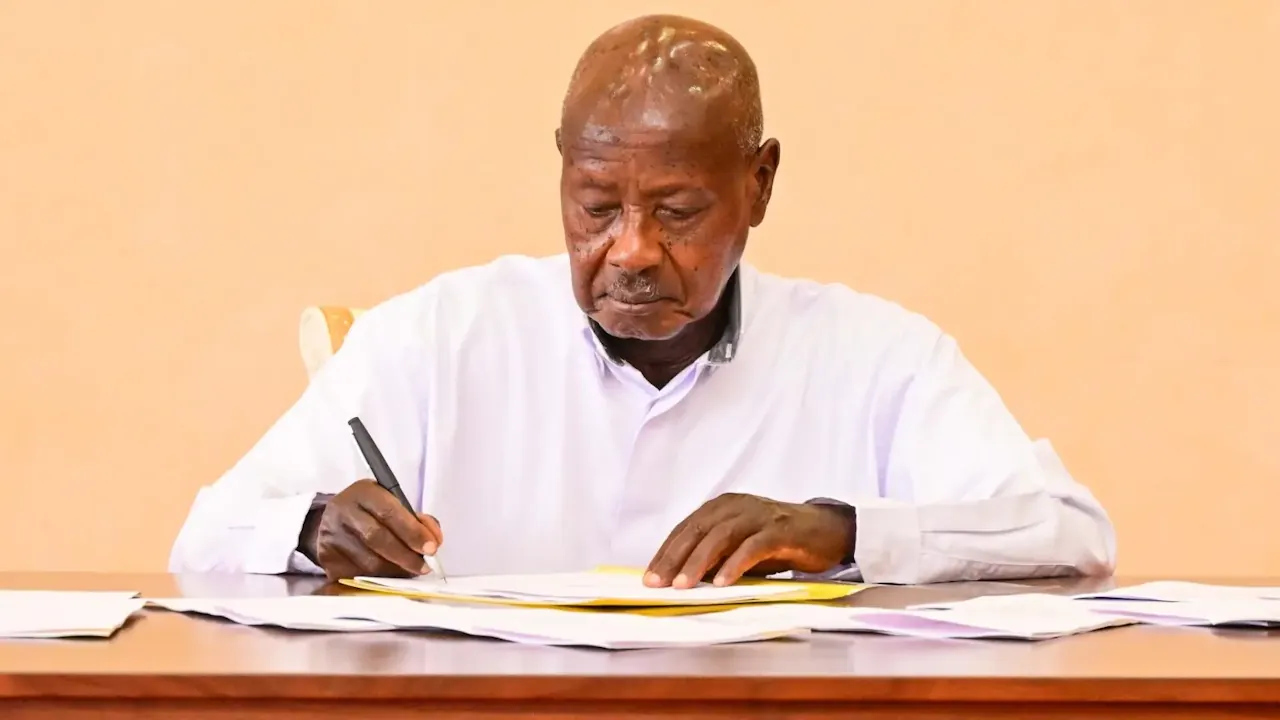
Museveni’s new foreign funding law deepens fears over shrinking political space
New foreign funding law has drawn criticism from opposition figures, rights groups, and development partners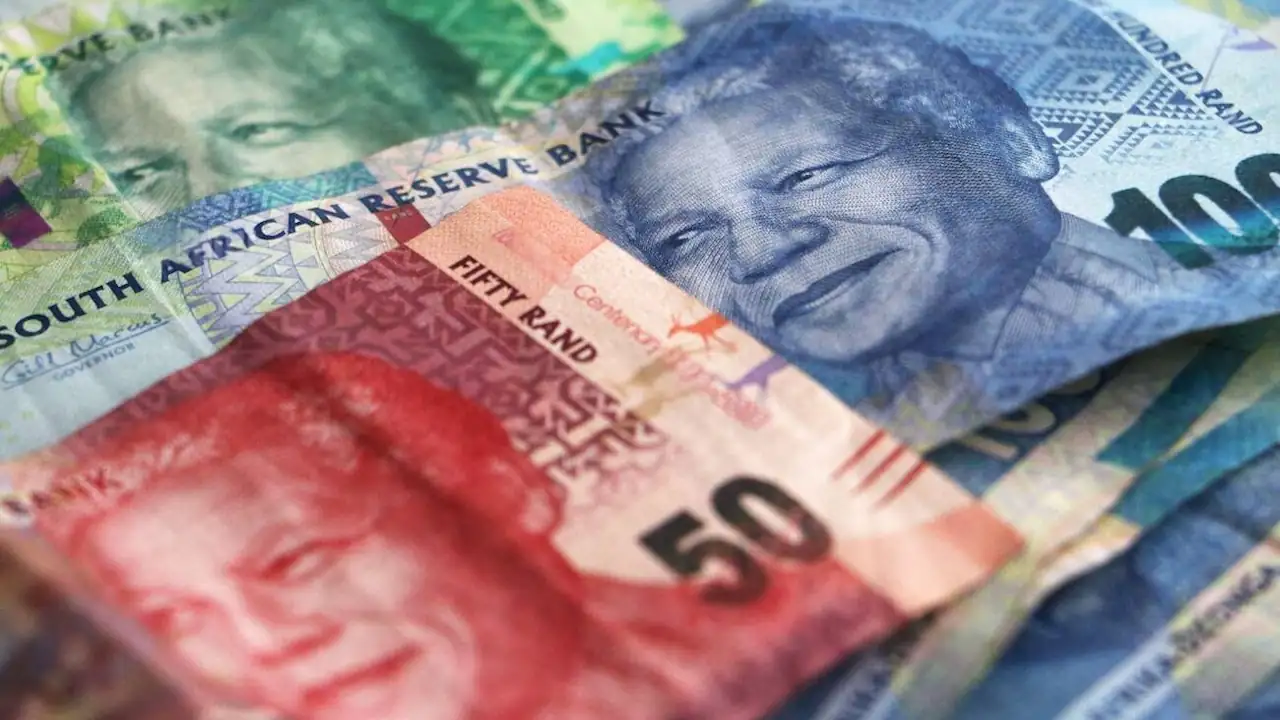
The Middle East war is hurting Africa. Here is how the continent fights back
As the Middle East war pushes African currencies lower and borrowing costs higher, a Pretoria scholar sets out how the continent must respond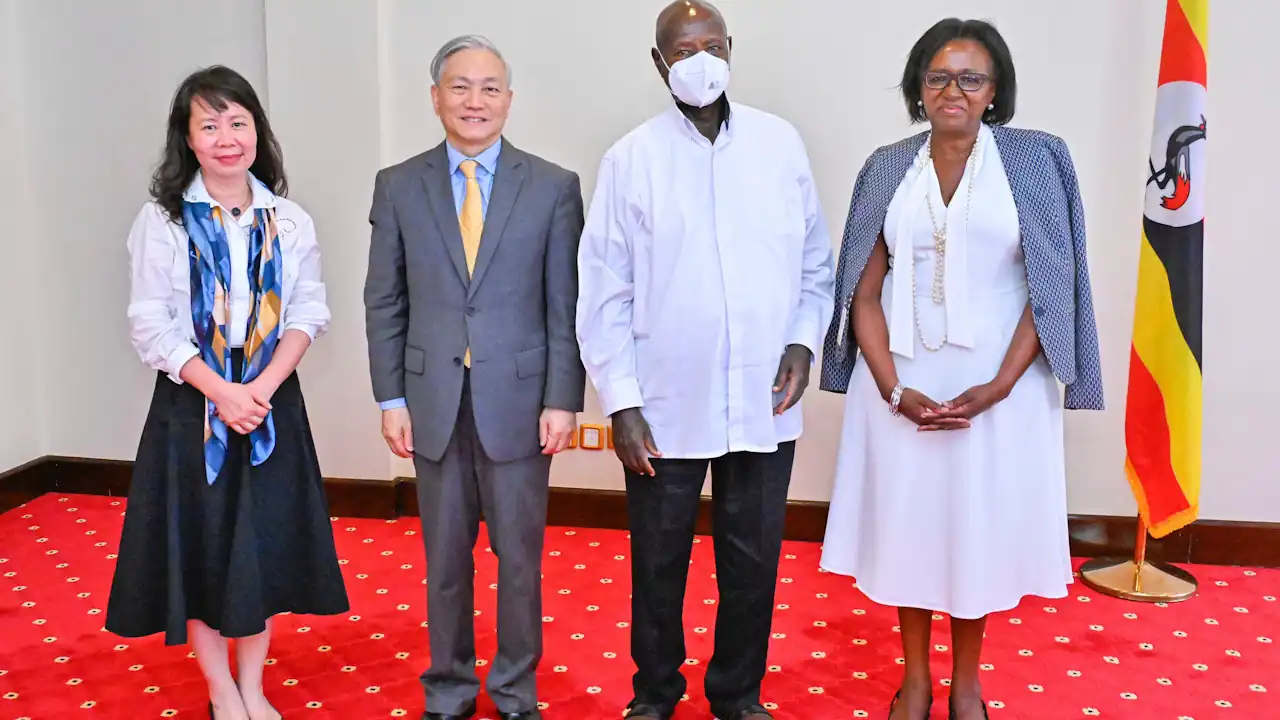
President Museveni bids farewell to outgoing World Bank country manager, Mukami Kariuki
Ms Kariuki, who assumed her role on 1 August 2021, has led the World Bank’s engagement with the Ugandan government, overseeing the implementation of key development programmes
Growth in sub-Saharan Africa set to strengthen as other regions struggle with the impact of US trade barriers
Sub-Saharan Africa is one of two regions expected to strengthen their economies this year, despite the fact that most of the world is set to experience its slowest pace of growth since 2008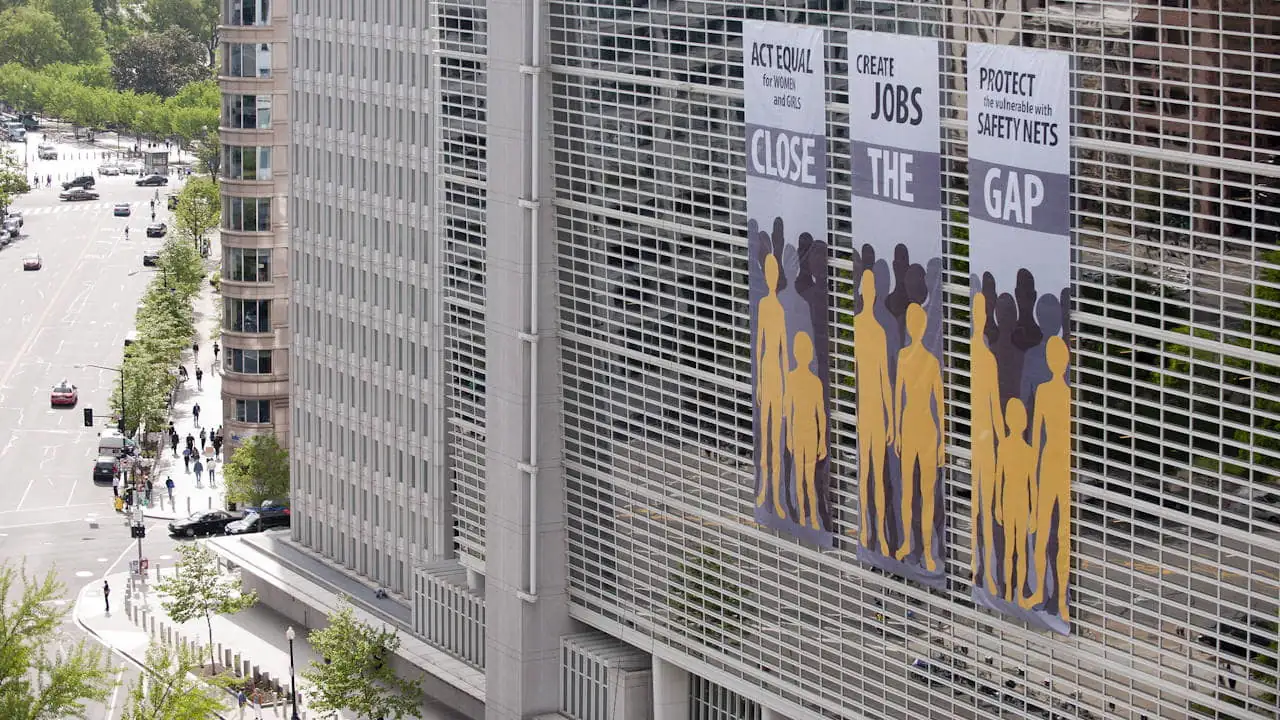
World Bank names new country director for Uganda, Kenya, Rwanda, and Somalia
Qimiao Fan, a Chinese national, will oversee the design and implementation of the World Bank's assistance programme for the four countries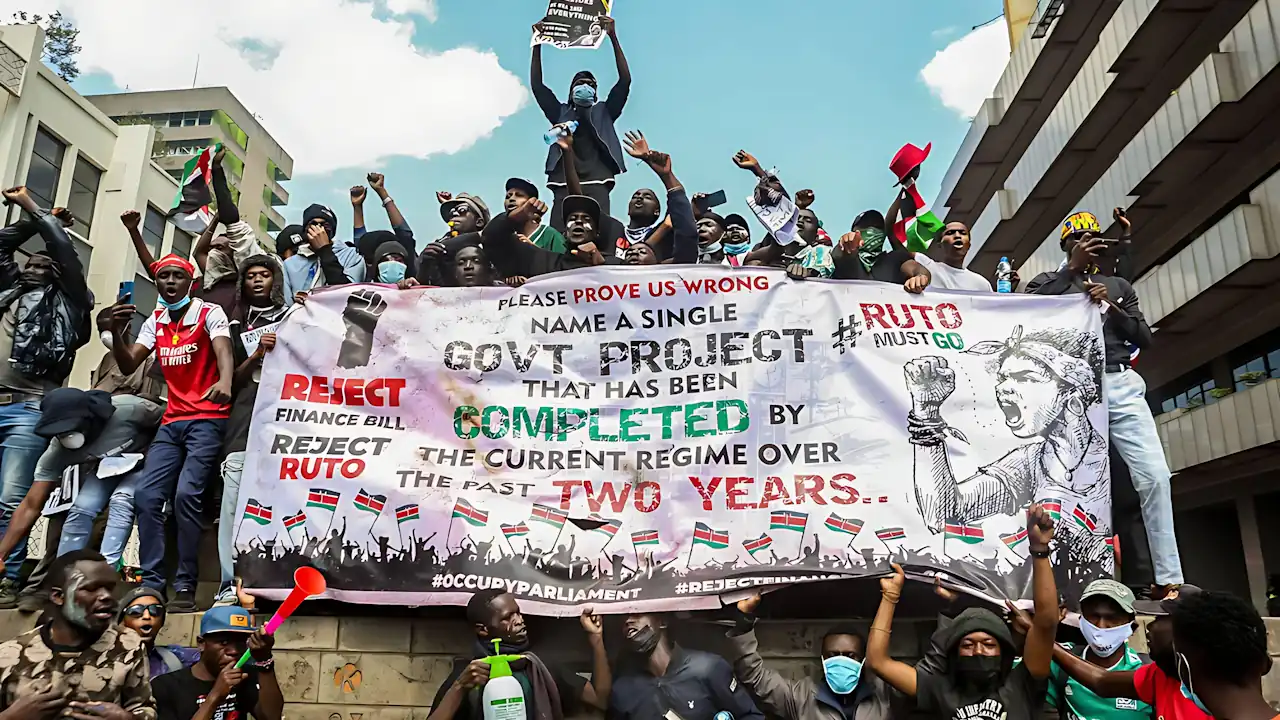
The roots of the economic turmoil that led Kenyan youth to take to the streets
Corruption, a perennial problem in Kenya, has become a major source of anger; young people, who see corruption everywhere, from the street to offices, feel that it has stolen their future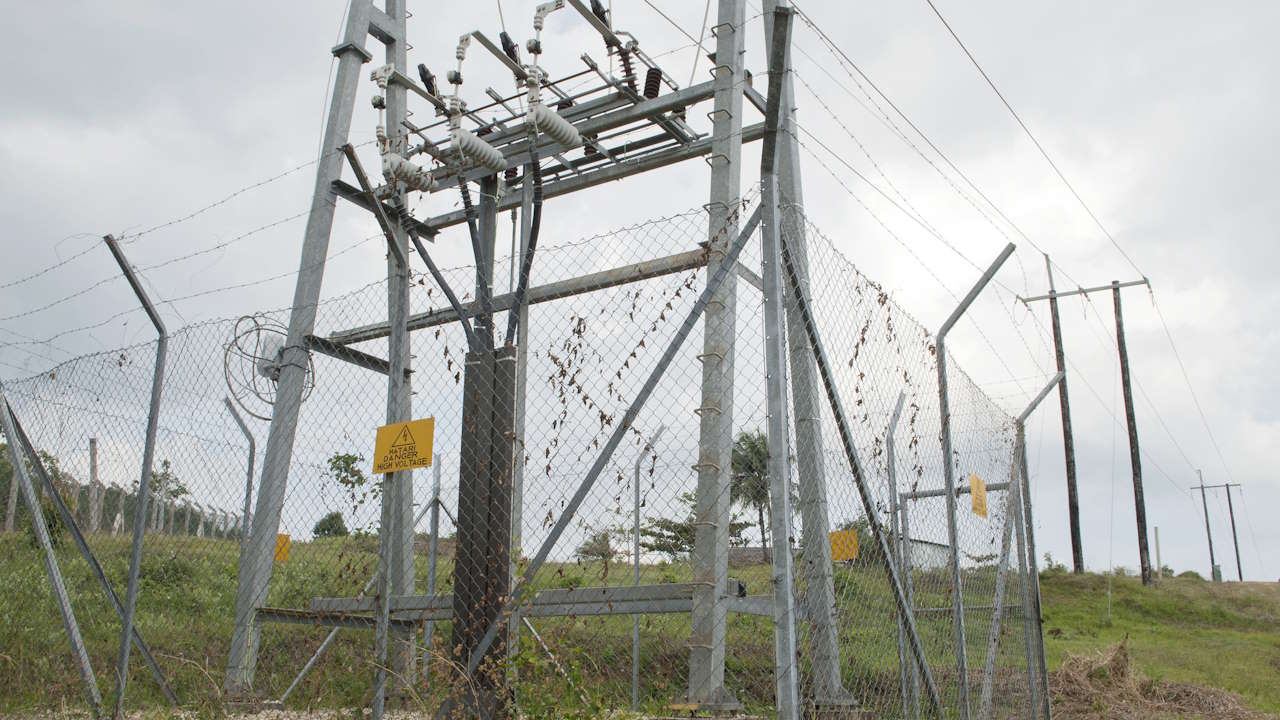
Tanzania is a showcase for World Bank funding
The International Development Association is a major source of support for African countries struggling with mounting debt and shrinking fiscal space
Uganda seeks $146mn Chinese loan for national fibre-optic project
China also funded the first three phases of the national fibre-optic backbone infrastructure projectMore World Bank
Can Uganda collect more taxes? The World Bank thinks so
Uganda collects far less tax revenue than it has the potential to. The World Bank's recently released 11th Economic Update for Uganda looks at areas that are under-taxed or not taxed in which the introduction of new taxes will increase domestic revenue
Economy expected to expand on better weather and increased public investment
Uganda will experience more growth due to rains that have increased agriculture output, a stronger global outlook, and the development of oil infrastructure as the country prepares for commercial petroleum production, the World Bank said on Tuesday
Uganda losing a fortune in potential revenue due to ineffective tax collection – World Bank
Uganda is not collecting as much as it could in taxes, according to the latest country economic update from the World Bank launched today in Kampala
Makhtar Diop appointed World Bank’s vice president for infrastructure
After six years as the World Bank's vice president for Africa, Makhtar Diop has been appointed as the World Bank’s Vice President for Infrastructure. In his previous role, Mr Diop oversaw the delivery of a record-breaking $70 billion to Sub-Saharan Africa to help tackle key development challenges
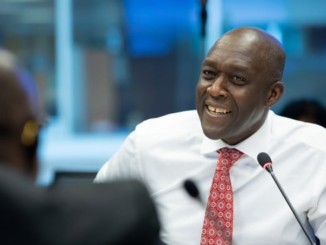
Africa GDP growth to strengthen in 2018, says World Bank
Economic growth is rebounding in sub-Saharan Africa with the region's GDP projected to expand at the fastest rate since 2015, according to the World Bank
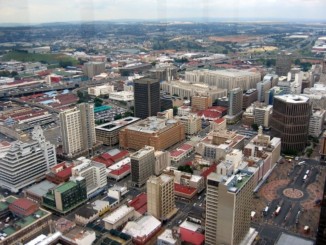
Government and KCCA should step up to steer greater Kampala’s growth
Kampala's growth challenge, according to the World Bank report, is upgrading its economy by improving the productivity of its population, businesses, and industries. It must create the right kind of jobs in sectors which will encourage industrialization and economies of scale
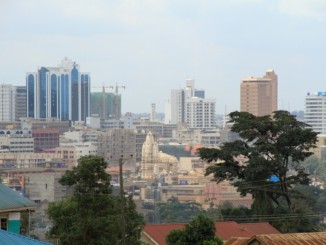
Africa’s growth will be stronger than in 2016, World Bank says
Growth in sub-Saharan Africa will be stronger this year with the rebound led by the region's largest economies, the World Bank said on Wednesday
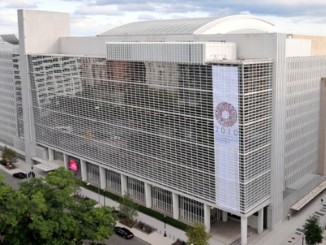
World Bank lifts suspension of lending to government with $1.5bn credit line
The World Bank has announced resumption of more than Shs5 trillion ($1.5bn) in new lending to government after almost ten months of suspending loans to Uganda and several back and forth meetings over the issue.
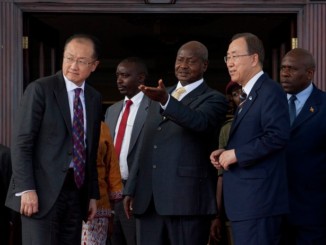
World Bank forecasts growth uptick for Africa in 2017
Economic growth in sub-Saharan Africa will slightly pick up in 2017 following its worst decline in more than two decades in 2016, according to a World Bank report released Wednesday.
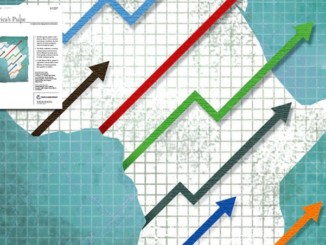
Uganda unlikely to achieve middle income status by 2020, World Bank says
The World Bank says Uganda's economy must grow by 12% each year until 2020 if it is to achieve its goal of middle-income status by that time. But that is twice the growth rate it considers realistic for Uganda's GDP in the medium-term